
Garden irrigation systems play a crucial role in nurturing healthy plants, conserving water, and maximizing garden productivity. Whether you’re cultivating a small backyard garden, a sprawling vegetable patch, or ornamental landscapes, efficient irrigation ensures adequate moisture distribution while promoting plant growth and vitality. This comprehensive guide explores the principles, types, installation methods, maintenance tips, and sustainable practices associated with garden irrigation systems, empowering gardeners to optimize water usage and cultivate thriving gardens.
Understanding Garden Irrigation Systems
Garden irrigation refers to the controlled application of water to plants and soil through various methods and systems. The primary goals of irrigation are to supplement natural rainfall, provide consistent moisture levels, and deliver nutrients to plants’ root zones. Effective irrigation systems help prevent under-watering or over-watering, which can lead to plant stress, disease susceptibility, and inefficient water usage.
Types of Garden Irrigation Systems
- Drip Irrigation: Drip irrigation systems deliver water directly to the base of plants through a network of tubes, emitters, and valves. This method minimizes water loss due to evaporation or runoff, promoting efficient water use and targeting root zones for optimal plant uptake.
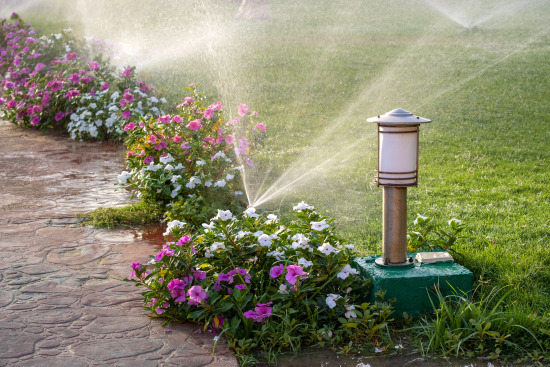
- Sprinkler Systems: Sprinkler irrigation uses overhead sprinklers or spray heads to distribute water over a designated area. This method is suitable for lawns, large garden beds, and areas requiring uniform coverage. Adjustable sprinkler heads allow customization based on plant water requirements and garden layout.
- Soaker Hoses: Soaker hoses release water along their length, delivering moisture directly to the soil surface. These porous hoses are ideal for flower beds, vegetable gardens, and areas with dense plantings, promoting deep root penetration and minimizing water loss.
- Surface Irrigation: Surface irrigation methods, such as furrow or flood irrigation, involve flooding or channeling water across the soil surface. While less common in home gardens, these techniques are used in agricultural settings to irrigate crops planted in rows or beds.
- Automatic Irrigation Controllers: Automatic controllers regulate irrigation schedules based on preset timers or environmental sensors, such as soil moisture levels or weather forecasts. Smart irrigation systems integrate digital technologies to optimize water usage and adjust watering schedules dynamically.
Benefits of Garden Irrigation Systems
- Water Conservation: Efficient irrigation systems minimize water waste by delivering precise amounts of water directly to plant roots, reducing runoff and evaporation associated with manual watering methods.
- Enhanced Plant Health: Consistent moisture levels promote robust root development, flowering, and fruiting, leading to healthier plants with increased resilience to drought and pests.
- Time Savings: Automated irrigation systems streamline watering tasks, allowing gardeners to focus on other aspects of garden maintenance or enjoy leisure time without constant monitoring.
- Seasonal Adaptability: Adjustable irrigation settings accommodate seasonal changes in weather, plant water requirements, and soil moisture levels, ensuring optimal growing conditions year-round.
- Environmental Sustainability: By optimizing water use and minimizing runoff, garden irrigation systems contribute to environmental conservation efforts and support sustainable gardening practices.
Installing Garden Irrigation Systems
- Planning: Evaluate garden layout, plant types, and water requirements to determine the most suitable irrigation system. Consider factors such as soil type, sun exposure, and existing landscape features.
- Component Selection: Choose high-quality irrigation components, including pipes, fittings, valves, and emitters, compatible with your chosen irrigation method and garden size.
- Layout Design: Design a layout that ensures even water distribution and coverage across the garden area. Position irrigation lines or hoses to avoid obstacles and accommodate plant spacing.
- Installation: Install irrigation components according to manufacturer guidelines, ensuring proper connection, alignment, and secure anchoring of hoses or tubing. Test the system for leaks and functionality before burying or concealing components.
- Adjustment and Calibration: Fine-tune irrigation settings, such as flow rates, watering frequency, and duration, to match plant needs and environmental conditions. Monitor system performance and make adjustments as necessary.
Maintaining Garden Irrigation Systems
- Regular Inspections: Conduct routine inspections to check for leaks, clogs, or damaged components. Replace worn-out hoses, emitters, or valves promptly to maintain system efficiency.
- Cleaning and Flushing: Clean clogged emitters or sprinkler heads using a mild detergent or vinegar solution to remove mineral deposits and debris. Flush irrigation lines periodically to prevent buildup and maintain water flow.
- Winterization: Prepare irrigation systems for winter by draining water from hoses, pipes, and valves to prevent freezing and damage. Store removable components in a dry, protected area until spring.
- Seasonal Adjustments: Adjust irrigation schedules and settings seasonally based on weather patterns, plant growth stages, and soil moisture levels. Increase watering frequency during hot, dry periods and reduce it during cooler, rainy seasons.
- Upgrades and Modifications: Upgrade irrigation systems with water-saving technologies, such as moisture sensors or weather-based controllers, to optimize water efficiency and reduce operating costs over time.
Sustainable Practices in Garden Irrigation
- Rainwater Harvesting: Install rain barrels or cisterns to collect and store rainwater for garden irrigation. Use harvested rainwater to supplement or entirely replace municipal water sources, reducing water consumption and costs.
- Mulching: Apply organic mulch, such as shredded bark or compost, around plants to retain soil moisture, regulate soil temperature, and minimize evaporation. Mulching also suppresses weeds and improves soil structure over time.
- Companion Planting: Plant drought-tolerant species or companion plants with similar water needs together to create microclimates and reduce irrigation requirements for individual plants or garden sections.
- Xeriscaping: Implement xeriscaping principles, such as selecting native plants, grouping plants by water needs, and using efficient irrigation methods, to create water-efficient landscapes that thrive in arid or semi-arid climates.
- Watering Techniques: Adopt water-efficient watering techniques, such as watering early in the morning or evening to minimize evaporation loss and using drip irrigation or soaker hoses for targeted water delivery.
Conclusion
In conclusion, garden irrigation systems are essential tools for maintaining healthy, vibrant gardens while conserving water and promoting sustainability. By understanding the principles of irrigation, selecting appropriate systems and components, and implementing efficient practices, gardeners can create optimal growing conditions for plants and enjoy the benefits of productive, beautiful gardens throughout the year. Whether using drip irrigation for precision watering or sprinkler systems for expansive lawns, incorporating effective irrigation strategies enhances plant health, conserves resources, and contributes to a sustainable approach to gardening and landscaping.