
Pet food is a cornerstone of modern pet care, embodying decades of nutritional science, consumer preferences, and ethical considerations. This comprehensive article explores the multifaceted world of pet food, from its historical roots to contemporary trends and future innovations.
Historical Foundations
The story of pet food begins centuries ago, evolving from simple scraps to specialized diets tailored to pets’ nutritional needs. Ancient civilizations often fed domesticated animals leftovers from human meals, recognizing the value of providing sustenance beyond mere survival.
The Rise of Commercial Pet Food
The industrial revolution marked a significant turning point in pet nutrition. In the late 19th century, American entrepreneur James Spratt introduced the first commercial pet food, a biscuit made from wheat, vegetables, beetroot, and beef blood. This innovation laid the foundation for the mass production of pet food and the burgeoning pet care industry.
Nutritional Science and Formulation
Advances in nutritional science have revolutionized pet food formulation. Veterinarians and animal nutritionists collaborate to develop balanced diets that meet pets’ specific dietary requirements. Essential nutrients such as protein, fats, vitamins, and minerals play crucial roles in supporting pets’ overall health and well-being.
Types of Pet Food
Pet food comes in various forms to cater to different dietary preferences and nutritional needs:
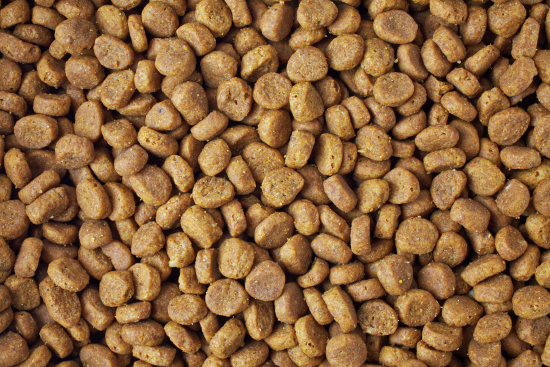
- Dry Food (Kibble): This convenient and cost-effective option typically contains a blend of meat, grains, and vegetables, formulated to provide complete nutrition.
- Wet Food: Canned or pouch-packaged wet food offers higher moisture content and palatability, ideal for pets with specific health concerns or picky eaters.
- Raw and Homemade Diets: Increasingly popular among pet owners, raw diets and homemade meals emphasize natural ingredients and minimal processing, though they require careful preparation to ensure nutritional adequacy.
- Specialty and Prescription Diets: Veterinarians prescribe these diets to manage conditions such as obesity, allergies, or renal disease, emphasizing therapeutic nutrition tailored to individual health needs.
Ingredient Sourcing and Quality Standards
Pet food manufacturers prioritize ingredient quality and safety, sourcing materials from reputable suppliers and adhering to rigorous quality control measures. Ingredients undergo testing for contaminants and nutritional content, ensuring products meet regulatory standards and consumer expectations.
Consumer Trends and Preferences
Changing consumer attitudes and preferences shape the pet food market. Pet owners increasingly prioritize transparency, seeking products with clear labeling and ethical sourcing practices. Trends such as organic ingredients, grain-free formulations, and sustainable packaging reflect evolving consumer demands for healthier, environmentally responsible pet food options.
Regulatory Oversight and Safety
Government agencies, such as the FDA and AAFCO (Association of American Feed Control Officials), regulate pet food manufacturing and labeling practices to safeguard animal health and consumer trust. Manufacturers must comply with labeling requirements, nutritional adequacy standards, and recall protocols to maintain product safety and transparency.
Challenges and Controversies
Despite advancements, the pet food industry faces challenges and controversies:
- Nutritional Misinformation: Conflicting dietary advice and misinformation can confuse pet owners seeking optimal nutrition for their pets.
- Recalls and Safety Concerns: Occasionally, product recalls due to contamination or formulation errors underscore the importance of stringent quality control measures and transparency.
- Environmental Impact: The production and disposal of pet food packaging contribute to environmental concerns, prompting initiatives for sustainable packaging and ingredient sourcing.
Future Directions and Innovations
Looking ahead, the pet food industry continues to evolve:
- Customized Nutrition: Advances in personalized nutrition may lead to tailored diets based on individual pet health data and genetic profiles.
- Alternative Proteins: Research into sustainable protein sources, such as insects or plant-based alternatives, may offer eco-friendly options without compromising nutritional integrity.
- Technological Integration: Smart pet feeders and apps that monitor dietary intake and health metrics could revolutionize how pet owners manage their pets’ nutrition and well-being.
Conclusion
Pet food is more than nourishment; it’s a reflection of our evolving relationship with companion animals. From ancient scraps to scientifically formulated diets, pet food continues to evolve, driven by innovation, consumer demand, and a commitment to pet health and welfare. As pet ownership grows worldwide, so too will the importance of responsible pet nutrition and the ongoing pursuit of excellence in pet food quality and safety.
In essence, pet food represents a convergence of nutrition science, consumer preferences, and ethical considerations, ensuring pets lead healthy, fulfilling lives as cherished members of our families.