
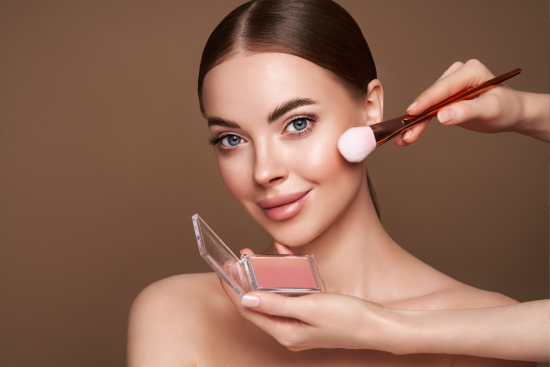
The world of makeup and skincare is vast and continually evolving, offering a wide array of products designed to enhance beauty and maintain healthy skin. From basic cleansing routines to advanced anti-aging treatments, makeup and skincare play a significant role in our daily lives. This comprehensive guide delves deep into the realm of makeup and skincare, exploring their importance, types, benefits, and how to choose the right products to achieve a flawless complexion.
The Importance of Makeup and Skincare
Makeup and skincare are more than just a means to improve appearance; they are essential components of personal care and self-expression. Here’s why they are important:
- Skin Health: Proper skincare helps maintain the health of the skin by keeping it clean, hydrated, and protected from environmental damage.
- Confidence Boost: Both makeup and skincare can enhance one’s appearance, leading to increased confidence and self-esteem.
- Preventing Skin Issues: Regular skincare routines can prevent common skin issues such as acne, dryness, and premature aging.
- Artistic Expression: Makeup allows individuals to express their creativity and personality through different looks and styles.
The Basics of Skincare
Skincare is the foundation of any beauty routine. A solid skincare regimen ensures that the skin remains healthy, balanced, and ready for makeup application. Here are the fundamental steps in a skincare routine:
1. Cleansing
Cleansing is the first and most crucial step in any skincare routine. It removes dirt, oil, makeup, and impurities from the skin, preventing clogged pores and breakouts.
- Types of Cleansers: Gel cleansers, cream cleansers, foam cleansers, and micellar water.
- How to Choose: Select a cleanser based on your skin type. For instance, gel cleansers are great for oily skin, while cream cleansers are suitable for dry skin.
2. Exfoliating
Exfoliation removes dead skin cells, promoting cell turnover and a smoother complexion. It can also help unclog pores and enhance the effectiveness of other skincare products.
- Types of Exfoliants: Physical exfoliants (scrubs) and chemical exfoliants (AHAs and BHAs).
- Frequency: Exfoliate 1-3 times a week, depending on your skin type and sensitivity.
3. Toning
Toners help balance the skin’s pH, remove any leftover impurities, and prepare the skin for the next steps in the skincare routine.
- Types of Toners: Hydrating toners, exfoliating toners, and astringent toners.
- Benefits: Hydrating toners can add moisture, while exfoliating toners can refine pores and improve skin texture.
4. Moisturizing
Moisturizers hydrate the skin and lock in moisture, maintaining the skin’s barrier function and preventing dryness.
- Types of Moisturizers: Creams, lotions, gels, and oils.
- How to Choose: Select a moisturizer based on your skin type. For example, oil-free gels are ideal for oily skin, while rich creams are better for dry skin.
5. Sun Protection
Sunscreen is a non-negotiable step in any skincare routine. It protects the skin from harmful UV rays, preventing sunburn, premature aging, and skin cancer.
- Types of Sunscreens: Physical (mineral) sunscreens and chemical sunscreens.
- SPF: Choose a sunscreen with at least SPF 30 for daily use.
Advanced Skincare Treatments
Beyond the basics, there are advanced skincare treatments that address specific concerns and enhance the overall health and appearance of the skin.
1. Serums
Serums are lightweight, fast-absorbing liquids packed with active ingredients. They target specific skin issues such as wrinkles, hyperpigmentation, and dehydration.
- Popular Ingredients: Vitamin C, hyaluronic acid, retinol, peptides, and niacinamide.
- Application: Apply serums after toning and before moisturizing.
2. Face Masks
Face masks provide intensive treatment for various skin concerns. They come in different forms, including sheet masks, clay masks, and overnight masks.
- Benefits: Hydrating, purifying, brightening, and anti-aging.
- Usage: Use masks 1-2 times a week for optimal results.
3. Eye Creams
The skin around the eyes is delicate and prone to showing signs of aging. Eye creams are formulated to address issues like dark circles, puffiness, and fine lines.
- Key Ingredients: Caffeine, peptides, hyaluronic acid, and retinol.
- Application: Gently pat eye cream around the orbital bone with your ring finger.
The World of Makeup
Makeup allows individuals to enhance their features, express their creativity, and boost their confidence. Here’s an overview of the essential makeup products and their uses:
1. Foundation
Foundation creates an even base, covering imperfections and evening out the skin tone.
- Types of Foundation: Liquid, powder, cream, and stick.
- How to Choose: Select a foundation based on your skin type and desired coverage. For example, matte foundations are ideal for oily skin, while hydrating formulas work well for dry skin.
2. Concealer
Concealer hides blemishes, dark circles, and other imperfections. It’s usually thicker and more pigmented than foundation.
- Types of Concealer: Liquid, cream, stick, and color-correcting.
- Application: Apply concealer after foundation for targeted coverage.
3. Blush
Blush adds a healthy flush of color to the cheeks, enhancing the complexion.
- Types of Blush: Powder, cream, gel, and liquid.
- How to Apply: Smile and apply blush to the apples of your cheeks, blending upwards towards the temples.
4. Highlighter
Highlighter adds a luminous glow to the high points of the face, such as the cheekbones, brow bones, and the bridge of the nose.
- Types of Highlighter: Powder, cream, and liquid.
- Application: Apply highlighter after foundation and blush for a radiant finish.
5. Eyeshadow
Eyeshadow enhances the eyes with color and depth. It comes in various finishes, including matte, shimmer, and metallic.
- Types of Eyeshadow: Powder, cream, and liquid.
- Application: Use an eyeshadow primer for longer-lasting wear and blend shadows seamlessly.
6. Eyeliner
Eyeliner defines the eyes and can create various looks, from subtle to dramatic.
- Types of Eyeliner: Pencil, gel, liquid, and felt-tip.
- Application: Apply eyeliner close to the lash line for a natural look or wing it out for a more dramatic effect.
7. Mascara
Mascara enhances the lashes, making them appear longer, thicker, and darker.
- Types of Mascara: Volumizing, lengthening, curling, and waterproof.
- Application: Apply mascara from the base of the lashes to the tips, wiggling the wand to coat each lash evenly.
8. Lip Products
Lip products add color and hydration to the lips. They come in various forms, including lipstick, lip gloss, and lip balm.
- Types of Lip Products: Matte, satin, gloss, and tinted balm.
- Application: Apply lip liner to define the lips and prevent feathering, then fill in with your chosen lip product.
Combining Makeup and Skincare
A harmonious relationship between makeup and skincare is essential for a flawless complexion. Here’s how to integrate both into your routine:
- Prep the Skin: Start with a clean, moisturized face. Apply a primer to create a smooth canvas for makeup.
- Choose Non-Comedogenic Products: Opt for makeup products that are non-comedogenic (won’t clog pores) and suitable for your skin type.
- Use Makeup with Skincare Benefits: Some makeup products contain skincare ingredients, providing additional benefits. For example, foundations with SPF or primers with hydrating properties.
- Remove Makeup Thoroughly: At the end of the day, ensure you remove all makeup to prevent clogged pores and skin irritation. Use a gentle makeup remover followed by your regular cleansing routine.