
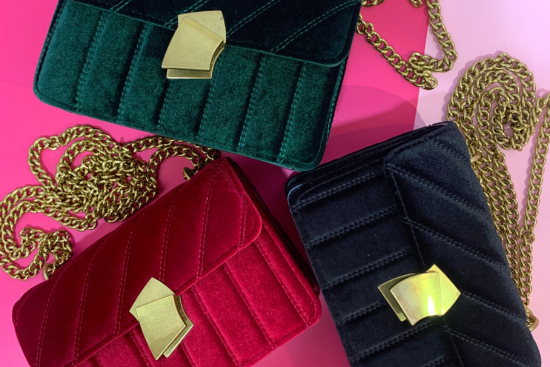
Designer handbags are more than just fashion accessories; they are icons of luxury, style, and craftsmanship. From timeless classics to avant-garde creations, designer handbags captivate fashion enthusiasts and collectors alike. This extensive guide delves into everything you need to know about designer handbags, including their history, iconic brands, popular styles, materials, and tips for purchasing and caring for these coveted fashion items.
History of Designer Handbags
The evolution of designer handbags parallels the rise of fashion as an industry and art form. While handbags have existed for centuries, the concept of designer handbags as we know them today emerged in the 19th and 20th centuries. Key milestones include:
- Emergence of Fashion Houses: In the late 19th and early 20th centuries, couturiers and luxury goods makers began creating handbags to complement their clothing lines. Brands like Louis Vuitton, Hermès, and Chanel pioneered iconic designs that would define the concept of luxury handbags.
- Artisan Craftsmanship: Designer handbags are renowned for their meticulous craftsmanship and attention to detail. Artisans employ traditional techniques passed down through generations to create bags that are both functional and works of art.
- Cultural Influence: Throughout the 20th century, designer handbags became symbols of status, elegance, and sophistication. They were featured prominently in fashion magazines, films, and celebrity culture, further cementing their allure.
Iconic Designer Handbag Brands
Several designer brands have become synonymous with luxury handbags, each offering distinctive styles and craftsmanship. Here are some of the most iconic brands:
- Chanel: Known for timeless classics such as the Chanel 2.55 and the Chanel Boy Bag, Chanel embodies Parisian elegance and sophistication.
- Louis Vuitton: Renowned for its monogram canvas and iconic designs like the Speedy and Neverfull, Louis Vuitton represents luxury travel and heritage craftsmanship.
- Hermès: The epitome of luxury, Hermès is famous for the Birkin and Kelly bags, crafted from the finest leathers and coveted for their exclusivity and craftsmanship.
- Gucci: A symbol of Italian luxury and eclectic style, Gucci’s handbags range from the classic GG Marmont to the whimsical Dionysus and Jackie styles.
- Prada: Known for its understated elegance and innovative designs, Prada offers iconic handbags like the Galleria and the Cahier, blending heritage with contemporary trends.
Popular Styles of Designer Handbags
Designer handbags come in various styles, each catering to different tastes, occasions, and lifestyles. Here are some of the most popular styles:
- Tote Bags: Spacious and versatile, tote bags are ideal for everyday use, work, or travel. They often feature a roomy interior and durable handles.
- Crossbody Bags: Functional and stylish, crossbody bags have a long strap that can be worn across the body, providing hands-free convenience for busy days.
- Clutch Bags: Sleek and compact, clutch bags are perfect for evening events and formal occasions, holding essentials like keys, phone, and lipstick.
- Shoulder Bags: Classic and timeless, shoulder bags feature a single or double strap and are suitable for both casual outings and professional settings.
- Backpacks: Fashion-forward backpacks combine style with functionality, making them popular among urban commuters and travelers seeking practicality and trendiness.
Materials Used in Designer Handbags
Designer handbags are crafted from a variety of luxurious materials, each chosen for its durability, texture, and aesthetic appeal. Common materials include:
- Leather: High-quality leather, such as calfskin, lambskin, and exotic leathers like alligator and python, is prized for its durability and luxurious feel.
- Canvas: Coated canvas, often featuring designer logos or patterns, is lightweight, durable, and resistant to wear and tear. Brands like Louis Vuitton and Gucci use canvas for their iconic bags.
- Suede: Soft and velvety, suede adds a tactile dimension to handbags but requires careful maintenance to prevent staining and water damage.
- Metal Hardware: Designer handbags often feature metal hardware, such as gold or silver-plated buckles, clasps, and zippers, adding a luxurious touch and enhancing durability.
- Exotic Materials: Some designer bags incorporate exotic materials like crocodile, ostrich, or lizard skin, prized for their rarity and distinctive texture.
Factors to Consider When Buying Designer Handbags
Investing in a designer handbag requires careful consideration to ensure you select a piece that aligns with your style, needs, and budget. Here are key factors to consider:
- Brand Reputation: Choose reputable brands known for their craftsmanship, quality materials, and iconic designs that withstand fashion trends.
- Design and Style: Select a handbag that reflects your personal style and complements your wardrobe, whether you prefer classic elegance, contemporary trends, or statement pieces.
- Functionality: Consider how you will use the handbag—whether for everyday essentials, special occasions, work, or travel—and choose a style that meets your practical needs.
- Quality and Craftsmanship: Examine the handbag for stitching, hardware, and overall construction quality, as these aspects contribute to durability and longevity.
- Price and Value: Designer handbags vary widely in price, so determine your budget and research comparable options to ensure you are getting value for your investment.
Care and Maintenance of Designer Handbags
To preserve the beauty and longevity of your designer handbag, follow these care tips:
- Storage: Store your handbag in a dust bag or protective cover when not in use to prevent dust accumulation and exposure to sunlight, which can cause fading.
- Cleaning: Clean leather bags with a soft cloth and specialized leather cleaner, following manufacturer guidelines. For canvas or fabric bags, use a gentle cleanser and avoid excessive rubbing to prevent color fading.
- Avoid Moisture: Protect your handbag from rain and moisture, and use a waterproofing spray or conditioner to maintain leather suppleness and protect against stains.
- Handling: Handle your handbag with clean hands to avoid transferring oils, lotions, or cosmetics onto the leather or fabric, which can cause discoloration or damage.
- Professional Care: For stubborn stains or extensive cleaning needs, consult a professional leather cleaner or the brand’s customer service for recommended services and products.
Investing in Designer Handbags
Beyond their fashion appeal, designer handbags are also considered valuable investments that can appreciate in value over time. Factors that contribute to a handbag’s investment potential include:
- Limited Editions: Limited-edition or rare handbags from top fashion houses often increase in value due to their exclusivity and collector’s appeal.
- Brand Popularity: Handbags from renowned brands with a strong market presence and global demand tend to hold their value or appreciate over time.
- Condition: Well-maintained handbags in excellent condition with minimal signs of wear command higher resale prices in the secondary market.
- Classic Designs: Timeless designs that transcend seasonal trends and maintain relevance in the fashion industry are more likely to retain or increase in value.
- Authenticity and Documentation: Ensure your designer handbag comes with original packaging, authenticity cards, and proof of purchase, as these factors enhance its resale and investment value.
Conclusion
Designer handbags represent the pinnacle of luxury, combining impeccable craftsmanship, exquisite materials, and timeless design. Whether you’re drawn to iconic classics from heritage brands or contemporary creations from emerging designers, investing in a designer handbag offers both aesthetic pleasure and potential financial reward. By understanding the history, brands, styles, materials, and factors to consider when purchasing and caring for designer handbags, you can make informed decisions that elevate your style and investment portfolio. Explore the world of designer handbags with confidence, knowing that each piece embodies the artistry and legacy of its creators, making it a cherished addition to your wardrobe and a valuable asset for generations to come.