
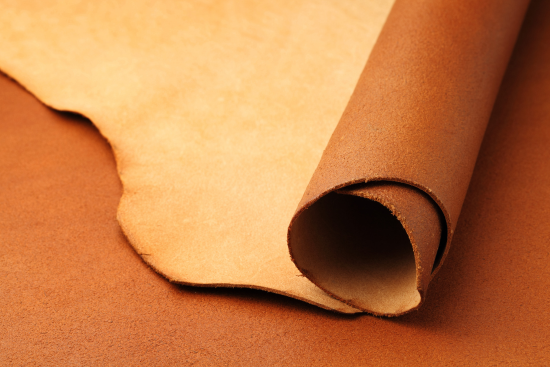
Chrome tanned leather represents a significant innovation in the world of leather crafting, blending traditional techniques with modern efficiency. This method of tanning leather has revolutionized the industry, offering versatility, durability, and a wide range of applications across various sectors.
Understanding Chrome Tanning
Chrome tanning is a chemical process where chromium salts, specifically chromium sulfate, are used to treat raw animal hides. Unlike traditional vegetable tanning, which uses plant-based tannins, chrome tanning is known for its speed and efficiency. The process typically takes days rather than weeks, making it more cost-effective and environmentally friendly in terms of water and energy consumption.
Characteristics of Chrome Tanned Leather
- Softness and Suppleness: Chrome tanned leather is celebrated for its soft, supple texture right from the start. This characteristic makes it ideal for crafting items that require flexibility and comfort, such as shoes, gloves, and garments.
- Durability: The chromium salts used in the tanning process create strong cross-links within the leather fibers, enhancing its durability and resistance to wear and tear. This durability makes chrome tanned leather suitable for products that undergo frequent use and exposure to the elements.
- Color Variety: Chrome tanned leather offers a wide spectrum of colors and finishes, from vibrant hues to subtle shades. The process allows for more control over color consistency and uniformity, catering to diverse aesthetic preferences in fashion and interior design.
- Water Resistance: Due to its tight grain structure and chemical composition, chrome tanned leather exhibits natural water resistance. While it may not be fully waterproof like oil-tanned leather, it withstands moisture better than vegetable-tanned leather.
Applications of Chrome Tanned Leather
Chrome tanned leather finds its place in a myriad of industries and products:
- Footwear: It is widely used in the production of shoes and boots due to its softness, durability, and ability to take on various finishes.
- Apparel: Chrome tanned leather is popular in the fashion industry for crafting jackets, bags, belts, and accessories where flexibility and style are paramount.
- Furniture: Upholstery and interior design benefit from chrome tanned leather’s versatility, offering luxurious comfort and aesthetic appeal in sofas, chairs, and home décor items.
- Automotive: In the automotive sector, chrome tanned leather is employed in car interiors, steering wheel covers, and upholstery for its durability and ease of maintenance.
Sustainability and Environmental Considerations
While chrome tanning offers efficiency benefits, there are ongoing discussions regarding its environmental impact. Efforts are being made within the industry to mitigate these concerns through improved waste management and the development of eco-friendly chrome tanning processes that minimize chemical usage and water consumption.
Conclusion
In conclusion, chrome tanned leather stands as a testament to the evolution of leather craftsmanship, combining modern technology with centuries-old traditions. Its softness, durability, and aesthetic versatility make it a preferred choice among designers, artisans, and consumers alike. Whether adorning a pair of stylish shoes, enhancing the comfort of a sofa, or adding a touch of elegance to a fashion accessory, chrome tanned leather continues to redefine the possibilities of leather in contemporary applications.
As technology and sustainability efforts advance, chrome tanned leather remains a cornerstone of innovation in the leather industry, promising enduring quality and enduring appeal for generations to come.