
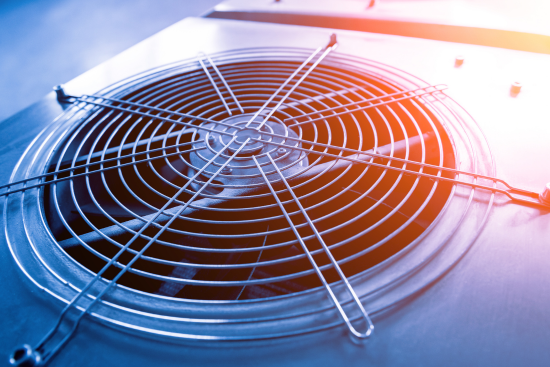
Heating, Ventilation, and Air Conditioning (HVAC) systems are essential for maintaining indoor comfort and air quality in residential, commercial, and industrial buildings. This comprehensive guide explores the components, types, benefits, maintenance, and environmental impact of HVAC systems, providing a detailed overview of their role in modern building infrastructure.
What is HVAC?
HVAC stands for Heating, Ventilation, and Air Conditioning. It refers to the technology and systems used to control indoor environmental conditions such as temperature, humidity, air quality, and air movement within a building or enclosed space. HVAC systems are designed to provide thermal comfort and acceptable indoor air quality.
Components of HVAC Systems
- Heating Components:
- Furnaces: Heat air using gas, oil, or electricity and distribute it through ducts or radiators.
- Heat Pumps: Transfer heat between indoor and outdoor environments using refrigerant for heating and cooling.
- Ventilation Components:
- Air Handling Units (AHUs): Distribute conditioned air throughout the building.
- Ventilation Fans: Extract stale air and introduce fresh outdoor air to maintain air quality.
- Ductwork: Channels that distribute air throughout the building.
- Air Conditioning Components:
- Air Conditioners: Cool indoor air by removing heat using refrigerants and distributing cooled air through ducts or vents.
- Chillers: Provide chilled water for cooling larger buildings or industrial spaces.
- Evaporative Coolers: Use water evaporation to cool air, suitable for dry climates.
Types of HVAC Systems
- Split Systems:
- Separate units for indoor and outdoor environments. Common in residential and small commercial buildings.
- Packaged Systems:
- All components (heating, cooling, and sometimes ventilation) housed in a single unit, suitable for smaller buildings.
- Ductless Mini-Split Systems:
- Compact units with individual air handlers connected to an outdoor compressor. Ideal for room additions or buildings without ductwork.
- Variable Refrigerant Flow (VRF) Systems:
- Multi-split systems that can heat and cool different zones simultaneously, offering energy efficiency and precise temperature control.
Benefits of HVAC Systems
- Comfort: Maintain consistent indoor temperatures and humidity levels year-round.
- Energy Efficiency: Modern HVAC systems are designed to minimize energy consumption, reducing utility costs and environmental impact.
- Improved Air Quality: Filter and ventilate indoor air, removing pollutants, allergens, and odors for healthier indoor environments.
- Control and Automation: Programmable thermostats and smart HVAC systems allow users to control settings remotely and optimize energy usage.
HVAC Maintenance and Service
Regular maintenance is crucial for ensuring HVAC system performance, longevity, and efficiency:
- Change Filters: Replace or clean air filters regularly to maintain airflow and indoor air quality.
- Inspect Ductwork: Check for leaks, damage, or debris that can affect air distribution and efficiency.
- Schedule Professional Inspections: Annual inspections by HVAC professionals can identify issues early and optimize system performance.
- Clean Coils and Components: Remove dirt, debris, and mold from coils, condensers, and fans to improve efficiency and prevent breakdowns.
Environmental Impact of HVAC Systems
HVAC systems can have a significant environmental footprint due to energy consumption and refrigerant emissions:
- Energy Efficiency: Choose Energy Star-rated systems and optimize settings to reduce energy consumption.
- Refrigerant Management: Use systems with environmentally friendly refrigerants that minimize greenhouse gas emissions.
- System Design and Sizing: Properly size and design HVAC systems to match building needs, optimizing efficiency and reducing waste.
Future Trends in HVAC Technology
- Smart HVAC Systems: Integration with smart home technology for remote monitoring and control.
- Energy Recovery Systems: Capture and reuse waste heat or coolness to improve overall efficiency.
- Advanced Sensors and Controls: Enhance system performance through real-time data monitoring and predictive maintenance.
Conclusion
HVAC systems play a crucial role in maintaining indoor comfort, air quality, and energy efficiency in buildings of all sizes. By understanding the components, types, benefits, maintenance requirements, and environmental considerations of HVAC systems, building owners and occupants can make informed decisions to optimize indoor environments while minimizing energy consumption and environmental impact. As technology continues to advance, the future of HVAC systems promises greater efficiency, control, and sustainability, paving the way for more comfortable and environmentally friendly buildings worldwide.