
Air conditioners are indispensable appliances for maintaining comfortable indoor environments, especially during hot and humid weather. This comprehensive guide explores everything you need to know about air conditioners, including types, working principles, benefits, maintenance tips, and environmental considerations.
What is an Air Conditioner?
An air conditioner (AC) is a system or appliance that regulates and maintains indoor temperature, humidity, and air quality by cooling the air in an enclosed space. It works by removing heat from the indoor air and transferring it outside, creating a cooler and more comfortable environment for occupants.
Types of Air Conditioners
- Window Air Conditioners:
- Compact units installed in windows or through walls. They cool single rooms or small spaces and are easy to install.
- Split Air Conditioners:
- Consist of indoor units (evaporators) connected to outdoor units (condensers) via refrigerant lines. They are quieter and more efficient than window units.
- Central Air Conditioning Systems:
- Distribute cooled air through ducts to multiple rooms or zones within a building. Suitable for larger spaces and whole-home cooling.
- Portable Air Conditioners:
- Mobile units on wheels that can be moved between rooms. They vent hot air through hoses installed in windows or walls.
- Ductless Mini-Split Systems:
- Similar to split systems but without ductwork. They consist of individual air handlers connected to an outdoor compressor, ideal for room additions or buildings without ducts.
Working Principles of Air Conditioners
Air conditioners operate based on the principles of thermodynamics and refrigeration cycle:
- Compression: Refrigerant (such as R-410A or R-22) is compressed into a high-pressure, high-temperature gas by the compressor.
- Condensation: The hot, pressurized gas releases heat as it condenses into a liquid state in the condenser coil, located outside the building.
- Expansion: The liquid refrigerant passes through an expansion valve, where it rapidly expands and evaporates into a low-pressure, cool gas.
- Evaporation: The evaporator coil, located indoors, absorbs heat from the indoor air as the refrigerant evaporates. The cooled air is then circulated back into the room.
Benefits of Air Conditioners
- Comfort: Maintain comfortable indoor temperatures and humidity levels year-round.
- Health Benefits: Improve indoor air quality by filtering out dust, allergens, and pollutants, reducing respiratory problems.
- Energy Efficiency: Modern air conditioners are designed to minimize energy consumption, saving on utility bills while reducing environmental impact.
- Productivity: Create a more comfortable and productive environment in homes, offices, and commercial spaces.
Maintenance Tips for Air Conditioners
Regular maintenance is essential for optimal performance and longevity of air conditioners:
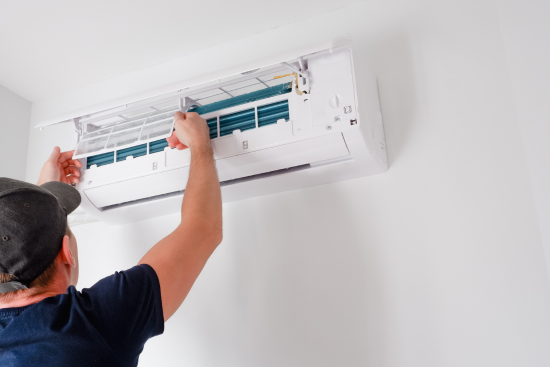
- Replace Air Filters: Clean or replace filters every 1-3 months to maintain airflow and efficiency.
- Clean Evaporator and Condenser Coils: Remove dirt and debris to prevent airflow obstruction and maintain cooling efficiency.
- Check Refrigerant Levels: Insufficient or excessive refrigerant can affect cooling performance. Have levels checked and adjusted by a professional.
- Inspect Ductwork: Ensure ducts are sealed and insulated to prevent air leaks and maximize efficiency.
Environmental Considerations
Air conditioners can impact the environment through energy consumption and refrigerant emissions:
- Energy Efficiency: Choose Energy Star-rated units and optimize settings to reduce energy consumption.
- Refrigerant Management: Use air conditioners with environmentally friendly refrigerants (such as R-410A) that have lower global warming potential.
- Proper Disposal: Dispose of old air conditioners responsibly to prevent environmental pollution and comply with local regulations.
Innovations in Air Conditioning Technology
- Smart Air Conditioners: Integration with smart home technology for remote control and energy management.
- Variable-Speed Compressors: Adjust compressor speed to match cooling demands, improving efficiency and comfort.
- Dual-Stage Cooling Systems: Provide enhanced temperature control and humidity regulation for better comfort and energy savings.
Conclusion
Air conditioners play a vital role in maintaining indoor comfort, improving air quality, and enhancing productivity in residential, commercial, and industrial settings. By understanding the types, working principles, benefits, maintenance requirements, and environmental considerations of air conditioners, consumers can make informed decisions to maximize comfort while minimizing energy consumption and environmental impact. As technology continues to advance, the future of air conditioning promises greater efficiency, control, and sustainability, contributing to more comfortable and environmentally friendly indoor environments worldwide.