
Pest infestations can be a nuisance and a threat to both homes and businesses. Implementing effective pest control methods is crucial to managing and preventing these issues. This comprehensive guide explores various pest control methods, from traditional techniques to modern innovations, ensuring you have the knowledge to safeguard your environment against unwanted intruders.
Understanding Pest Control Methods
Pest control methods encompass a range of strategies aimed at managing and eliminating pests. These methods can be categorized into several approaches:
- Biological Control: Utilizes natural predators or pathogens to control pest populations. Examples include introducing beneficial insects or fungi that prey on specific pests without harming other organisms.
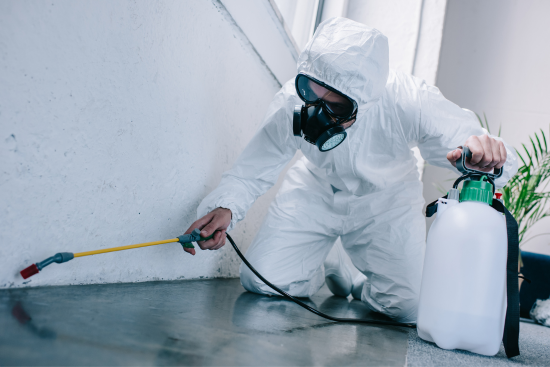
- Chemical Control: Involves the use of pesticides and insecticides to kill or repel pests. This method requires careful application to minimize environmental impact and ensure safety for humans and non-target species.
- Mechanical Control: Relies on physical barriers or traps to prevent pests from accessing or damaging property. This includes techniques such as sealing entry points, installing mesh screens, or using traps to capture pests.
- Cultural Control: Involves modifying the environment or practices to discourage pest infestations. This may include proper waste management, maintaining cleanliness, or rotating crops to disrupt pest life cycles.
- Integrated Pest Management (IPM): Combines multiple control methods in a holistic approach tailored to specific pest species and environmental conditions. IPM emphasizes prevention, monitoring, and targeted intervention to minimize pesticide use and maximize effectiveness.
Common Pest Control Challenges and Solutions
Different pests pose unique challenges, requiring tailored solutions:
- Insect Control: For insects like ants, cockroaches, and bedbugs, integrated approaches combining chemical treatments with sanitation and exclusion techniques are often effective.
- Rodent Control: Rats and mice can be managed using traps, baits, and structural repairs to prevent entry. Biological control through natural predators like cats or owls can also be considered.
- Termite Control: In addition to chemical barriers and treatments, monitoring for early signs of infestation and implementing preventive measures such as moisture control and wood treatment are essential.
- Wildlife Control: Dealing with larger pests like raccoons or squirrels may require humane trapping and relocation methods, along with exclusion measures to prevent re-entry.
Environmental and Health Considerations
Effective pest control balances the need to manage pests with environmental and health considerations:
- Eco-Friendly Practices: Increasingly, pest control methods prioritize environmentally friendly options, such as organic pesticides or non-toxic deterrents, to minimize harm to beneficial organisms and ecosystems.
- Safety Measures: Proper handling and application of chemicals, adherence to regulations, and awareness of potential health risks ensure safe pest management practices for humans and pets.
Innovations in Pest Control
Advancements in technology continue to drive innovations in pest control:
- Smart Pest Monitoring: IoT devices and sensors provide real-time data on pest activity, enabling timely interventions and reducing reliance on routine pesticide applications.
- Biological Innovations: Biopesticides derived from natural sources, genetic modification of pest-resistant crops, and sterile insect techniques offer sustainable alternatives to traditional chemical treatments.
Educational Resources and Professional Services
For complex or recurring pest problems, consulting with pest control professionals is recommended. They can provide expert advice, customized treatment plans, and ongoing monitoring to ensure effective pest management.
Conclusion
In conclusion, effective pest control methods are essential for maintaining a healthy and safe environment. By understanding the diverse approaches available and tailoring strategies to specific pest challenges, individuals and businesses can successfully manage and prevent infestations. Embrace integrated pest management principles, adopt sustainable practices, and stay informed about emerging technologies to stay ahead in the battle against pests.