
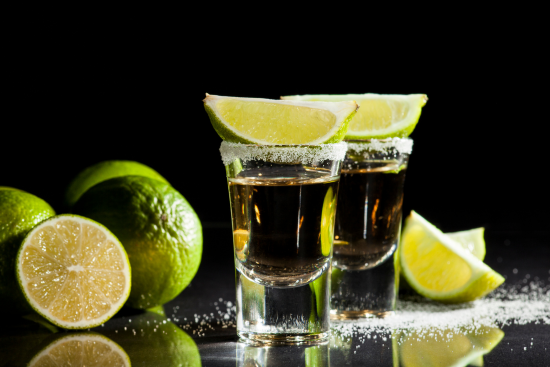
Tequila is a distilled alcoholic beverage made from the blue agave plant, primarily in the area surrounding the city of Tequila (65 km (40 mi) northwest of Guadalajara) and in the Jaliscan Highlands (Los Altos de Jalisco) of the central western Mexican state of Jalisco. Tequila is commonly served neat (straight) or in cocktails.
History of Tequila
The history of tequila dates back to pre-Columbian Mesoamerica, where the agave plant was cultivated for its fibers and fermentable sap. The first alcoholic beverages made from agave were produced by the Aztecs and other indigenous peoples. After the Spanish conquest of Mexico in the 16th century, Spanish colonists introduced distillation techniques to the region, which led to the development of modern tequila.
Tequila production was initially a small-scale, artisanal operation. However, in the 19th century, tequila began to be produced on a commercial scale. The popularity of tequila grew in the United States in the early 20th century, and it has since become one of the most popular spirits in the world.
Tequila production
The production of tequila is a complex and regulated process. The blue agave plant takes eight to twelve years to mature. Once the agave is harvested, the piña (heart) of the plant is roasted in ovens. The roasted piñas are then crushed and fermented, and the resulting liquid is distilled. Tequila must be aged for at least 60 days to be considered tequila. However, most tequilas are aged for much longer, some for as long as several years.
Types of tequila
There are five different types of tequila:
- Blanco (Silver): This is unaged tequila that has a clear, colorless appearance. It has a strong agave flavor and a slightly sweet taste.
- Joven (Young): This tequila is aged for less than two months. It has a slightly golden color and a more mellow flavor than blanco tequila.
- Reposado (Rested): This tequila is aged for two to twelve months. It has a golden or amber color and a smooth, well-rounded flavor.
- Añejo (Aged): This tequila is aged for one to three years. It has a deep amber or brown color and a complex flavor with notes of oak, vanilla, and caramel.
- Extra Añejo (Extra Aged): This tequila is aged for three or more years. It has a dark amber or brown color and a rich, complex flavor with notes of chocolate, tobacco, and leather.
How to drink tequila
Tequila can be enjoyed in a variety of ways. It is often served neat, straight from the bottle, or on the rocks (with ice). Tequila is also a popular ingredient in cocktails, such as the Margarita, the Tequila Sunrise, and the Paloma.
Tequila culture
Tequila is an important part of Mexican culture. It is often consumed during celebrations and special occasions. Tequila is also a popular souvenir for tourists visiting Mexico.
Health benefits of tequila
Tequila has been shown to have some health benefits. It is a good source of antioxidants, which can help protect the body from damage caused by free radicals. Tequila may also help to improve bone health and reduce the risk of heart disease.
Tequila and the environment
The production of tequila can have a negative impact on the environment. The agave plant requires a lot of water to grow, and the tequila production process can generate wastewater that pollutes rivers and streams. However, there are a number of tequila producers who are working to reduce their environmental impact.
Conclusion
Tequila is a versatile and delicious spirit with a rich history and culture. It can be enjoyed neat, on the rocks, or in cocktails. Tequila also has some potential health benefits. When choosing a tequila, it is important to consider the type of tequila, the age of the tequila, and the producer of the tequila.