
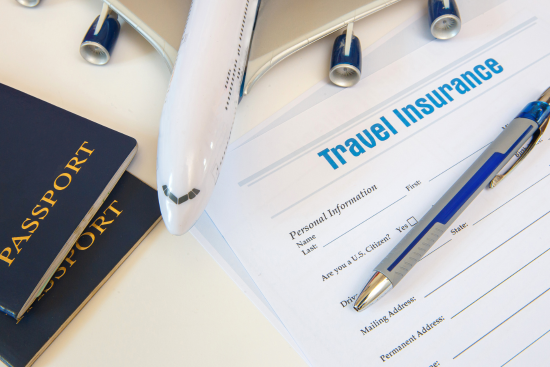
Travel insurance is a crucial aspect of planning any trip abroad. Whether you’re embarking on a relaxing vacation, a business trip, or an adventure-filled journey, having adequate travel insurance can provide you with peace of mind and financial security. This guide aims to explore the importance, types, and considerations of travel insurance to help you make informed decisions before your next journey.
Why Travel Insurance Matters
Travel insurance serves as a safety net against unforeseen events that can disrupt or impact your travel plans. It typically covers a range of situations, including trip cancellations, medical emergencies abroad, lost luggage, and even unexpected delays. Without travel insurance, these incidents could lead to significant financial losses and added stress during what should be a time of enjoyment and exploration.
Types of Travel Insurance
- Trip Cancellation Insurance: This type of insurance reimburses you for prepaid and non-refundable trip expenses if you have to cancel your trip due to covered reasons such as illness, injury, or severe weather.
- Medical Insurance: Often included in travel insurance policies, medical coverage ensures that you are financially protected in case of medical emergencies while traveling, including hospital stays, doctor visits, and emergency medical evacuation.
- Baggage Insurance: Protects you against the loss, theft, or damage of your luggage and personal belongings during your trip.
- Emergency Evacuation Insurance: Covers the cost of emergency evacuation and transportation to the nearest adequate medical facility in case of serious illness or injury.
- Accidental Death and Dismemberment Insurance: Provides financial compensation in the event of death or serious injury caused by an accident during your trip.
Key Considerations When Choosing Travel Insurance
- Coverage Limits and Exclusions: Carefully review what is and isn’t covered by your policy, including any limitations on pre-existing conditions and adventurous activities you plan to undertake.
- Travel Destinations: Some policies may have restrictions or limitations based on the destination(s) you plan to visit, particularly if you are traveling to remote or high-risk areas.
- Duration of Coverage: Ensure your insurance covers the entire duration of your trip, including any pre-trip and post-trip extensions.
- Cost vs. Coverage: Compare different insurance plans to find one that offers adequate coverage at a reasonable cost. Cheaper plans may have higher deductibles or fewer benefits, so weigh your options carefully.
Tips for Buying Travel Insurance
- Start Early: Purchase travel insurance as soon as you book your trip to maximize coverage benefits, especially those related to trip cancellation.
- Read the Fine Print: Understand the terms and conditions of your policy, including how to file a claim and any required documentation.
- Consider Annual Policies: If you travel frequently, an annual travel insurance policy may be more cost-effective than purchasing insurance for each individual trip.
In conclusion, while travel insurance may add to the overall cost of your trip, its benefits far outweigh the potential risks of traveling uninsured. Whether you’re planning a short getaway or a long-term adventure, investing in comprehensive travel insurance ensures that you can focus on creating unforgettable memories rather than worrying about what could go wrong.