
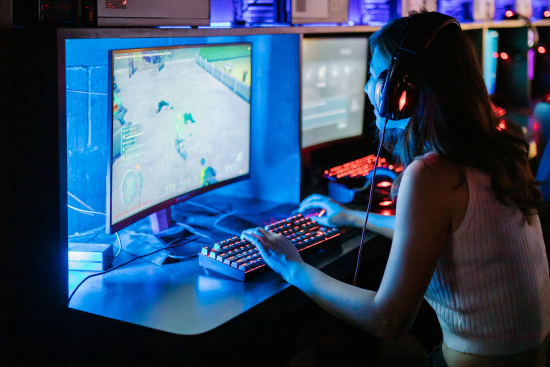
What is Cloud Gaming?
Cloud gaming refers to a service that allows users to stream video games over the internet without the need for high-end gaming hardware. Instead of running games locally on a console or PC, cloud gaming platforms render the game in remote data centers and stream the video feed to the user’s device in real-time. Players interact with the game through their devices, sending input commands over the internet, and receiving video and audio feedback.
Technological Foundations of Cloud Gaming
Cloud gaming relies on advanced streaming technologies and infrastructure to deliver seamless gameplay experiences:
- Data Centers: Powerful servers housed in data centers handle the processing and rendering of games in real-time.
- Streaming Protocols: Technologies such as HTTP Live Streaming (HLS), WebRTC, and proprietary protocols optimize video and audio streaming for minimal latency and high-quality playback.
- Edge Computing: Edge servers located closer to users reduce latency by processing and delivering game data from nearby locations.
- Compression Algorithms: Video codecs like H.264 and H.265 compress game streams to reduce bandwidth requirements while maintaining visual fidelity.
Benefits of Cloud Gaming
Cloud gaming offers several advantages over traditional gaming methods:
- Accessibility: Play high-quality games on a wide range of devices, including smartphones, tablets, smart TVs, and low-end PCs, without needing expensive hardware upgrades.
- Convenience: Instant access to a vast library of games without the need to download or install large game files.
- Cross-Platform Compatibility: Seamlessly switch between devices while maintaining game progress and achievements.
- Scalability: Data centers can scale resources dynamically to accommodate peak demand, ensuring consistent performance during gameplay.
Challenges and Considerations
Despite its promise, cloud gaming faces several challenges that impact its adoption and user experience:
- Latency: Delays in input response due to the time it takes for data to travel between the user’s device and the data center.
- Internet Connectivity: Requires a stable and high-speed internet connection to maintain smooth gameplay and minimize interruptions.
- Quality of Service: Variations in streaming quality and performance depending on network conditions, server load, and geographical location.
- Subscription Costs: Some cloud gaming services require monthly subscriptions or pay-per-play models, adding to overall gaming expenses.
Popular Cloud Gaming Platforms
Several leading tech companies and gaming studios offer cloud gaming services:
- Google Stadia: Google’s cloud gaming platform that allows users to play AAA games on various devices through the Chrome browser or dedicated apps.
- NVIDIA GeForce Now: A cloud gaming service that enables users to stream games from their existing PC game libraries on compatible devices.
- Microsoft xCloud (Now integrated with Xbox Cloud Gaming): Microsoft’s cloud gaming service that allows Xbox Game Pass Ultimate subscribers to play hundreds of games on Android devices and PCs.
- PlayStation Now: Sony’s cloud gaming service that offers a library of PlayStation games for streaming on PlayStation consoles and compatible devices.
The Future of Cloud Gaming
Cloud gaming is poised to transform the gaming industry and expand access to immersive gaming experiences:
- Technological Advancements: Continued improvements in streaming technology, edge computing, and 5G networks will reduce latency and enhance streaming quality.
- Integration with Smart Devices: Cloud gaming services are likely to expand compatibility with smart TVs, streaming devices, and augmented reality (AR) platforms.
- Content Expansion: More game developers and publishers are expected to embrace cloud gaming, leading to a broader selection of titles and genres available for streaming.
- Ecosystem Integration: Integration with existing gaming ecosystems, such as digital storefronts and subscription services, will offer seamless access to games across multiple platforms.
Conclusion
Cloud gaming represents a significant evolution in how gamers access, play, and enjoy video games. By leveraging cloud infrastructure and streaming technologies, cloud gaming platforms offer unprecedented accessibility, convenience, and scalability. While facing challenges such as latency and internet connectivity, ongoing technological advancements and growing industry investments promise to enhance the overall cloud gaming experience. As the gaming landscape continues to evolve, cloud gaming is poised to democratize access to gaming content and redefine the future of interactive entertainment on a global scale.