
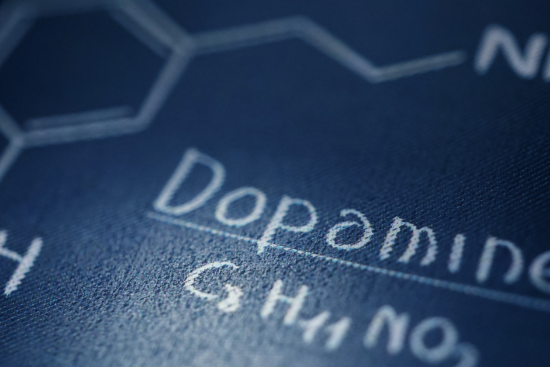
Dopamine is a neurotransmitter that plays a vital role in many brain functions, including movement, motivation, pleasure, and reward. It is often referred to as the “feel-good” chemical because it is associated with positive emotions and experiences. Dopamine is also involved in learning and memory, and it plays a role in regulating blood pressure and heart rate.
The production of dopamine
Dopamine is produced in the substantia nigra and ventral tegmental area (VTA) of the brain. The VTA is part of the brain’s reward system, and it is responsible for releasing dopamine when we experience something pleasurable. For example, dopamine is released when we eat delicious food, listen to music we enjoy, or have sex.
Dopamine is then transmitted to other parts of the brain via neurons (nerve cells). When dopamine reaches a neuron, it binds to receptors on the neuron’s surface. This binding triggers a series of events that ultimately leads to the activation of the neuron.
The effects of dopamine
The effects of dopamine on the brain are wide-ranging and complex. Here are some of the key effects of dopamine:
- Movement: Dopamine is essential for the control of movement. It helps to coordinate the movements of our muscles and limbs, and it plays a role in maintaining balance and posture.
- Motivation: Dopamine is also involved in motivation. It helps us to feel motivated to take action and to achieve our goals. When we experience something pleasurable, dopamine is released, which reinforces the behavior and makes us more likely to repeat it in the future.
- Pleasure and reward: Dopamine is often referred to as the “feel-good” chemical because it is associated with positive emotions and experiences. It is released when we experience something pleasurable, such as eating delicious food, listening to music we enjoy, or having sex. Dopamine also plays a role in the reward system of the brain, which is responsible for reinforcing behaviors that are necessary for survival, such as eating and reproducing.
- Learning and memory: Dopamine is also involved in learning and memory. It helps us to learn new things and to remember information. When we learn something new, dopamine is released, which helps to strengthen the neural connections that are involved in storing the memory.
- Blood pressure and heart rate: Dopamine plays a role in regulating blood pressure and heart rate. It helps to keep blood pressure and heart rate within a normal range, and it can also help to increase blood pressure and heart rate in response to stress or danger.
Dopamine and addiction
Dopamine is also involved in addiction. When we engage in addictive behaviors, such as drug abuse or gambling, dopamine is released in the brain. This release of dopamine reinforces the addictive behavior and makes us more likely to repeat it.
Dopamine and mental health
Dopamine also plays a role in mental health. Low levels of dopamine have been linked to several mental health disorders, including depression, Parkinson’s disease, and schizophrenia.
Medications that affect dopamine
There are a number of medications that affect dopamine levels in the brain. These dopamine medications are used to treat a variety of conditions, including Parkinson’s disease, schizophrenia, and depression.
How to increase dopamine levels naturally
There are a number of things you can do to increase dopamine levels naturally, including:
- Exercise: Exercise has been shown to increase dopamine levels in the brain.
- Eat a healthy diet: Eating a healthy diet that includes plenty of fruits, vegetables, and whole grains can also help to increase dopamine levels.
- Get enough sleep: Getting enough sleep is essential for maintaining healthy dopamine levels.
- Manage stress: Stress can lower dopamine levels. Find healthy ways to manage stress, such as yoga or meditation.
- Spend time with loved ones: Spending time with loved ones can increase dopamine levels.
- Listen to music: Listening to music you enjoy can also increase dopamine levels.
The role of dopamine in the future
Dopamine is a complex and fascinating molecule that plays a vital role in many brain functions. Researchers are continuing to learn more about the effects of dopamine and how it can be used to treat a variety of conditions.