
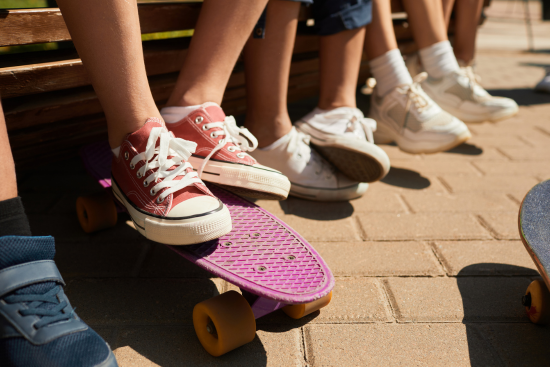
Kids shoes are not just miniature versions of adult footwear; they are essential tools for supporting the growth and development of young feet. From toddlers taking their first wobbly steps to active adolescents exploring the world, the right pair of shoes plays a crucial role in ensuring comfort, safety, and healthy foot development throughout childhood.
Understanding Children’s Foot Development
Children’s feet undergo significant changes as they grow. Babies are born with soft, pliable bones that gradually ossify over time. The arches of their feet typically develop between the ages of 2 and 3, making proper footwear essential for providing adequate support during this critical phase. As children transition from crawling to walking and eventually running, their shoes must accommodate these dynamic movements while allowing room for natural growth.
Choosing the Right Shoes
When selecting kids shoes, several factors should be considered to ensure a proper fit and optimal comfort:
- Size and Fit: Children’s feet grow rapidly, often necessitating frequent updates in shoe size. Shoes should have about a thumb’s width of space between the longest toe and the end of the shoe to allow for growth. Avoid overly tight or loose shoes, as they can lead to discomfort or foot problems.
- Support and Stability: Look for shoes with cushioned insoles and sturdy heel counters that provide stability and shock absorption. Flexible soles are crucial for facilitating natural foot movement while offering protection from uneven surfaces.
- Breathability: Children’s feet are prone to sweating, so opt for shoes made from breathable materials like mesh or leather to promote airflow and prevent moisture buildup. This helps in maintaining foot hygiene and preventing odors.
- Durability: Kids are notoriously rough on their shoes, so choose pairs made from durable materials that can withstand daily wear and tear. Reinforced stitching and quality craftsmanship ensure longevity, making shoes a worthwhile investment.
Types of Kids Shoes
The variety of kids shoes available caters to different activities and seasons:
- Athletic Shoes: Designed for running, sports, and active play, athletic shoes feature cushioned midsoles and grippy outsoles for traction. They come in various styles like sneakers, cleats for soccer or baseball, and supportive shoes for activities like hiking or biking.
- Casual Shoes: Ideal for everyday wear, casual shoes encompass styles such as loafers, slip-ons, and Mary Janes. They are versatile enough for school, playdates, and family outings, combining comfort with a touch of style.
- Boots: From rain boots to winter snow boots, these shoes provide protection from the elements while keeping feet warm and dry. Insulated linings and waterproof materials ensure comfort during inclement weather.
- Sandals: Perfect for warmer months, sandals offer breathability and freedom for little toes. Look for adjustable straps and supportive footbeds to ensure a secure fit and adequate arch support.
Special Considerations
Some children may have specific foot conditions or needs that require specialized footwear:
- Orthopedic Shoes: Prescribed for children with foot abnormalities or conditions like flat feet or pronation, orthopedic shoes provide corrective support to promote proper alignment and alleviate discomfort.
- Wide or Narrow Feet: Some kids may require shoes designed for wider or narrower feet to ensure a comfortable fit. Brands that offer different width options can accommodate these needs.
- School Policies: Some schools may have guidelines regarding footwear, such as requiring closed-toe shoes or specific colors. It’s important to check these policies before purchasing shoes for school use.
Caring for Kids Shoes
Proper shoe care enhances their longevity and ensures continued comfort for young wearers:
- Regular Cleaning: Wipe shoes with a damp cloth to remove dirt and debris. For leather shoes, use a specialized cleaner and conditioner to maintain suppleness and shine.
- Air Circulation: Allow shoes to air dry completely between wears to prevent odor and microbial growth. Inserting shoe trees or crumpled newspaper helps maintain their shape.
- Rotation: Rotate between multiple pairs of shoes to give each pair time to air out and prevent excessive wear.
Conclusion
In conclusion, kids shoes are more than just fashion accessories; they are essential tools for supporting healthy foot development and ensuring comfort throughout childhood. By understanding the needs of growing feet and choosing shoes that prioritize fit, support, and durability, parents can contribute to their children’s overall well-being and enjoyment of everyday activities. With a wide array of styles and features available, finding the perfect pair of shoes for any occasion becomes a delightful journey in nurturing young explorers on their path to discovery.