
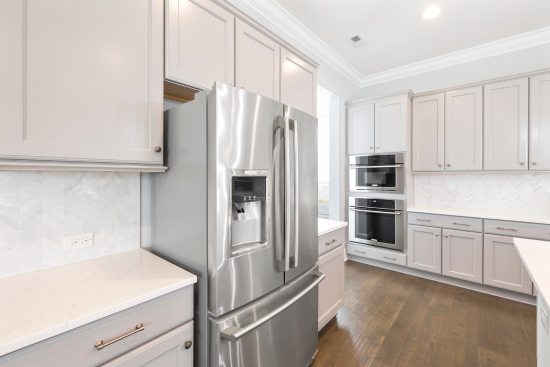
Refrigerators are indispensable appliances in modern households, essential for preserving food freshness and enhancing kitchen convenience. This comprehensive guide delves into the world of refrigerators, exploring their evolution, types, features, energy efficiency, maintenance tips, and considerations for choosing the right refrigerator for your home.
Evolution of Refrigerators
The refrigerator has evolved significantly since its inception, transforming from simple iceboxes to sophisticated appliances equipped with advanced cooling technologies. Here’s a brief overview of its evolution:
- Early Iceboxes: Before mechanical refrigeration, iceboxes were used to store perishable items. Blocks of ice were placed inside to keep food cool.
- Mechanical Refrigeration: In the early 20th century, mechanical refrigerators replaced iceboxes. These models used compressors, refrigerants, and coils to cool the interior compartments.
- Modern Refrigerators: Today, refrigerators feature digital controls, energy-efficient designs, and advanced features such as ice makers, water dispensers, and smart connectivity.
Types of Refrigerators
Refrigerators come in various types to suit different kitchen layouts, storage needs, and aesthetic preferences:
- Top-Freezer Refrigerators: Traditional models with the freezer compartment located above the fresh food compartment. They are typically more affordable and space-efficient.
- Bottom-Freezer Refrigerators: These models place the freezer compartment at the bottom, making fresh food compartments more accessible at eye level.
- Side-by-Side Refrigerators: Divide the interior vertically, with the freezer on one side and the fresh food compartment on the other. They offer ample storage space and convenient access.
- French Door Refrigerators: Feature two narrow doors for the fresh food compartment and a freezer drawer below. They provide wide shelves for storing large items.
- Compact Refrigerators: Smaller models designed for apartments, dormitories, or offices. They offer basic cooling capabilities and fit in tight spaces.
Features and Technologies
Modern refrigerators boast a range of features and technologies designed to improve food preservation, energy efficiency, and user convenience:
- Energy Efficiency: Energy Star-rated models consume less energy, reducing utility bills and environmental impact.
- Temperature Control: Digital controls allow precise temperature adjustments for different types of food and beverages.
- Humidity Control: Some refrigerators feature humidity-controlled drawers to preserve fruits and vegetables at optimal humidity levels.
- Ice Makers and Water Dispensers: Automatic ice makers and water dispensers provide convenience for cold drinks without the need for ice trays.
- Smart Connectivity: Smart refrigerators offer Wi-Fi connectivity and touchscreen interfaces for accessing apps, recipes, and controlling settings remotely.
Choosing the Right Refrigerator
Consider these factors when choosing a refrigerator for your home:
- Size and Capacity: Measure the available space in your kitchen and consider the storage needs of your household.
- Layout and Design: Choose a refrigerator type and layout that suits your kitchen layout and aesthetic preferences.
- Features: Prioritize features such as energy efficiency, ice makers, water dispensers, and smart connectivity based on your lifestyle and convenience.
- Budget: Set a budget that aligns with the features and specifications you desire in a refrigerator.
- Brand and Warranty: Research reputable brands known for quality and customer service. Check warranty coverage and support options for peace of mind.
Maintenance Tips
Maintaining your refrigerator ensures optimal performance and prolongs its lifespan. Follow these maintenance tips:
- Regular Cleaning: Clean interior shelves, drawers, and door seals with mild detergent and water. Remove food spills promptly to prevent odors and bacteria buildup.
- Temperature Monitoring: Use a refrigerator thermometer to monitor internal temperatures and ensure they remain within safe ranges (typically 37-40°F or 3-4°C).
- Coil Cleaning: Periodically vacuum or brush dust and debris from the refrigerator coils at the back or bottom of the appliance to maintain efficient cooling.
- Door Seal Inspection: Check door seals (gaskets) for cracks or wear. Replace damaged seals to maintain proper insulation and energy efficiency.
- Ice Maker Maintenance: Clean ice maker components and water filters regularly to prevent mold growth and ensure ice quality.
Environmental Considerations
Dispose of old refrigerators responsibly to reduce environmental impact. Many contain refrigerants and materials that require proper disposal or recycling. Choose Energy Star-rated models for improved energy efficiency and lower carbon footprint.
Conclusion
Refrigerators are essential appliances that enhance food preservation, kitchen efficiency, and convenience in modern homes. By understanding their evolution, types, features, and maintenance requirements, you can make informed decisions when selecting and caring for a refrigerator that meets your household’s needs. Whether you prioritize energy efficiency, advanced technologies, or design aesthetics, the diverse range of refrigerators available ensures there’s a perfect fit for every kitchen. Explore the possibilities, enjoy the benefits of modern refrigeration, and create a well-preserved, organized kitchen space that supports a healthy and efficient lifestyle.