
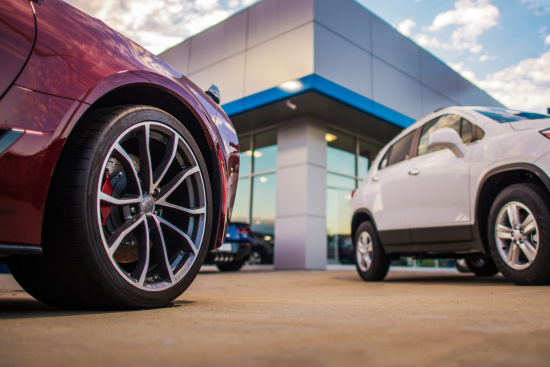
The market for used cars has always been a significant segment of the automotive industry. With the right knowledge and approach, buying a used car can be a financially sound decision, offering great value and reliability. This comprehensive guide will delve into the intricacies of the used car market, highlighting the benefits, potential pitfalls, and key considerations for prospective buyers.
The Appeal of Used Cars
- Affordability:
- One of the most compelling reasons to consider a used car is the cost savings. New cars depreciate quickly, losing a significant portion of their value within the first few years. Buying a used car allows you to avoid this steep depreciation, providing better value for your money.
- Lower Insurance Costs:
- Used cars generally have lower insurance premiums compared to new cars. This is because the value of a used car is less than that of a new car, which reduces the cost of insurance coverage. This can result in substantial savings over time.
- Variety and Availability:
- The used car market offers a wide range of models, makes, and years, giving buyers plenty of options to choose from. Whether you’re looking for a compact car, a family sedan, an SUV, or a luxury vehicle, you’re likely to find something that fits your needs and budget.
- Certified Pre-Owned Programs:
- Many manufacturers offer Certified Pre-Owned (CPO) programs for used cars. CPO vehicles undergo rigorous inspections and reconditioning processes and often come with extended warranties, providing added peace of mind for buyers.
Key Considerations When Buying a Used Car
- Budget and Financing:
- Establishing a budget is a crucial first step in the used car buying process. Consider not only the purchase price but also additional costs such as taxes, registration, insurance, and potential maintenance. Exploring financing options, such as loans from banks, credit unions, or dealership financing, can help manage the overall cost.
- Vehicle History Report:
- Obtaining a vehicle history report is essential when considering a used car. Services like Carfax and AutoCheck provide detailed reports on a vehicle’s past, including accident history, title status, mileage verification, and service records. This information helps identify potential issues and ensures transparency.
- Inspection and Test Drive:
- A thorough inspection by a qualified mechanic is critical to uncovering any hidden problems with the used car. Additionally, taking the car for a test drive allows you to assess its performance, comfort, and handling. Pay attention to any unusual noises, vibrations, or warning lights during the test drive.
- Mileage and Age:
- Both mileage and age are important factors to consider when buying a used car. While lower mileage is generally preferable, a well-maintained high-mileage car can also be a good option. Consider the car’s service history and how well it has been maintained over the years.
- Depreciation and Resale Value:
- Some used cars depreciate more slowly than others, retaining their value better over time. Researching the depreciation rates and resale values of different models can help you make a more informed decision and potentially get a better return on investment when it’s time to sell.
- Warranty and Maintenance:
- Determine whether the used car comes with any existing warranty coverage or if you can purchase an extended warranty. Understanding the car’s maintenance needs and costs is also crucial, as some models may require more frequent or expensive servicing.
Where to Buy Used Cars
- Dealerships:
- Purchasing a used car from a dealership offers several advantages, including a wider selection, certified pre-owned options, and financing assistance. Dealerships also handle the paperwork and registration process, making the transaction smoother.
- Private Sellers:
- Buying from a private seller can often result in lower prices, as there is no dealership markup. However, it requires more diligence on the buyer’s part to ensure the car’s condition and history. Private sales also typically do not offer warranties.
- Online Platforms:
- Online platforms provide a vast selection of used cars from both dealers and private sellers. These platforms offer advanced search filters, allowing you to narrow down options based on your criteria. Some online platforms also offer vehicle history reports and customer reviews.
- Auctions:
- Car auctions, including government and public auctions, can be a source of used cars at potentially lower prices. However, buying at an auction requires a good understanding of the process and the ability to make quick decisions, as vehicles are often sold “as is” without the opportunity for a detailed inspection.
The Used Car Buying Process
- Research:
- Start by researching the makes and models that interest you. Consider factors such as reliability, fuel efficiency, maintenance costs, and user reviews. Websites like Kelley Blue Book and Edmunds provide valuable information and pricing guidelines.
- Set a Budget:
- Determine how much you are willing to spend and stick to your budget. Consider not only the purchase price but also additional costs like insurance, taxes, and registration.
- Find Listings:
- Use online platforms, dealership websites, and local classifieds to find used cars for sale. Compare prices and features to get a sense of the market value for the cars you are interested in.
- Contact Sellers:
- Reach out to sellers to ask questions and arrange viewings. Prepare a list of questions about the car’s condition, history, and any issues it may have had.
- Inspect and Test Drive:
- Thoroughly inspect the car in person and take it for a test drive. Pay attention to the car’s performance, comfort, and any potential issues. If possible, have a trusted mechanic perform a detailed inspection.
- Negotiate:
- Be prepared to negotiate the price. Use the research you’ve done on market values and any issues identified during the inspection to justify your offer. Don’t be afraid to walk away if the seller is unwilling to meet your price.
- Finalize the Purchase:
- Once you’ve agreed on a price, complete the necessary paperwork. Ensure that the title is transferred correctly and that you receive a bill of sale. Pay any applicable taxes and fees, and register the car in your name.
Maintaining Your Used Car
- Regular Maintenance:
- Keeping up with regular maintenance is essential for the longevity and reliability of your used car. Follow the manufacturer’s recommended service schedule, including oil changes, tire rotations, brake inspections, and fluid replacements.
- Address Issues Promptly:
- If you notice any problems or unusual symptoms with your car, address them promptly to prevent more significant issues down the line. Early intervention can save you money on repairs and keep your car running smoothly.
- Keep Records:
- Maintain detailed records of all maintenance and repairs. This not only helps you keep track of your car’s condition but also provides valuable documentation if you decide to sell the car in the future.
- Protect Your Car:
- Protect your used car by keeping it clean, both inside and out. Regular washing and waxing can preserve the exterior, while keeping the interior clean and free of clutter enhances the overall driving experience.
Conclusion
The market for used cars offers a wealth of opportunities for buyers seeking value, variety, and affordability. By understanding the benefits and challenges of buying a used car, conducting thorough research, and following a structured buying process, you can make an informed decision and find a vehicle that meets your needs and budget.
In essence, the used car market is a dynamic and diverse landscape, where savvy buyers can find excellent deals and reliable vehicles. Whether you’re looking for a practical commuter car, a family SUV, or a luxurious ride, there’s a used car out there that fits the bill. By taking the time to educate yourself and approach the process methodically, you can navigate the market with confidence and drive away with a car that offers great value and satisfaction.