
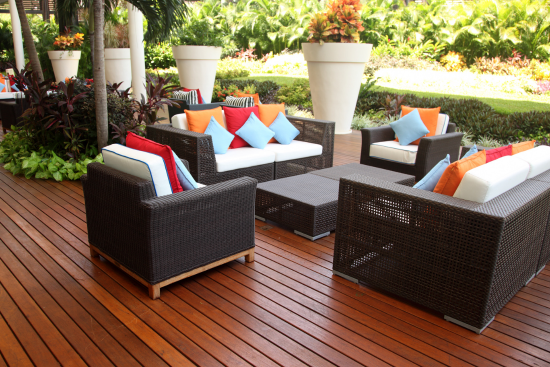
Outdoor furniture serves as the cornerstone of alfresco living, transforming gardens, patios, and porches into inviting retreats for relaxation, dining, and socializing. From durable materials to stylish designs, outdoor furniture combines functionality with aesthetics to withstand varying weather conditions while complementing the natural beauty of outdoor settings. This comprehensive guide explores the diverse types, materials, maintenance tips, trends, and considerations for selecting outdoor furniture, empowering homeowners to create comfortable and inviting outdoor environments for year-round enjoyment.
Types of Outdoor Furniture
- Patio Dining Sets: Patio dining sets typically include a table and matching chairs designed for outdoor dining experiences. Available in various sizes and materials, such as aluminum, wood, or wicker, these sets accommodate gatherings of different sizes and styles.
- Outdoor Sofas and Sectionals: Outdoor sofas and sectionals provide comfortable seating for lounging and entertaining. Constructed from weather-resistant materials like resin wicker, teak, or metal, these pieces often feature plush cushions and modular designs for versatility.
- Adirondack Chairs: Adirondack chairs are classic, laid-back seating options ideal for relaxing on a deck or by a pool. Made from wood or recycled plastic, these chairs offer ergonomic comfort with wide armrests and a reclined seat.
- Outdoor Lounge Chairs: Lounge chairs are designed for sunbathing, reading, or enjoying a quiet moment outdoors. They come in adjustable reclining styles, often with cushions or slings, and are crafted from materials that withstand exposure to sunlight and moisture.
- Hammocks and Hanging Chairs: Hammocks and hanging chairs add a touch of relaxation and whimsy to outdoor spaces. Suspended from frames or trees, these pieces are available in various materials, from woven fabric to synthetic rope, offering a cozy spot for unwinding.
- Outdoor Tables: Outdoor tables come in a range of sizes and shapes, including coffee tables, side tables, and bar-height tables. They are crafted from materials like metal, teak, or concrete, providing functional surfaces for drinks, snacks, and decor.
Materials for Outdoor Furniture
- Wicker and Rattan: Synthetic wicker and natural rattan are lightweight, durable materials that add a rustic charm to outdoor settings. They are resistant to moisture and fading, making them suitable for year-round use with minimal maintenance.
- Wood: Teak, cedar, and acacia are popular choices for outdoor furniture due to their natural beauty and weather-resistant properties. These hardwoods develop a silvery patina over time or can be treated to maintain their original appearance.
- Metal: Aluminum, wrought iron, and stainless steel offer durability and strength for outdoor furniture. Powder-coated finishes protect against rust and corrosion, while lightweight aluminum is easy to move and requires little maintenance.
- Plastic and Resin: High-density polyethylene (HDPE) and resin are lightweight, weather-resistant materials that mimic the look of natural wicker or wood. They are easy to clean and maintain, ideal for poolside lounging or coastal environments.
- Fabric and Cushions: Outdoor fabrics, such as acrylic or polyester, are designed to resist fading, mildew, and moisture. Cushions filled with quick-drying foam or polyester fiber provide comfort and support, with removable covers for easy cleaning.
Maintenance Tips for Outdoor Furniture
- Cleaning: Regularly clean outdoor furniture with mild soap and water to remove dirt, pollen, and debris. Use a soft brush or sponge for textured surfaces, and rinse thoroughly to prevent residue buildup.
- Storage: Store cushions and fabric covers in a dry, ventilated area or in waterproof storage bins during inclement weather or winter months. Cover or move lightweight furniture indoors to protect it from harsh elements.
- Protective Treatments: Apply protective treatments, such as teak oil or wood sealers, to wooden furniture annually to maintain color and prevent cracking. Use rust-resistant sprays or coatings on metal frames to extend longevity.
- Seasonal Maintenance: Inspect furniture for signs of wear, loose bolts, or rust before each season. Tighten hardware, replace worn-out cushions, and address minor repairs promptly to prevent further damage.
- Covering: Use fitted furniture covers or tarps to shield outdoor furniture from sun exposure, rain, and debris when not in use. Choose breathable covers that allow air circulation to prevent mold and mildew growth.
Trends in Outdoor Furniture
- Versatile Designs: Multi-functional furniture pieces, such as modular sectionals or extendable dining tables, accommodate various outdoor activities and space configurations.
- Natural Finishes: Natural wood tones, textured wicker weaves, and stone-like finishes are favored for their organic aesthetics and ability to blend with outdoor surroundings.
- Sustainable Materials: Eco-friendly materials, including recycled plastics and responsibly sourced wood, appeal to environmentally conscious consumers seeking durable and low-impact furniture options.
- Colorful Accents: Vibrant cushions, throw pillows, and accessories add personality and style to outdoor seating arrangements, creating inviting outdoor lounging and dining areas.
- Outdoor Kitchens: Integrated outdoor kitchens with built-in grills, countertops, and dining areas extend outdoor living spaces for cooking, entertaining, and enjoying meals al fresco.
Considerations for Selecting Outdoor Furniture
- Climate: Choose materials and finishes that withstand local climate conditions, such as UV exposure, humidity, rain, and temperature fluctuations.
- Space and Layout: Measure outdoor areas to determine furniture size and placement. Consider traffic flow, views, and focal points when arranging seating, tables, and accessories.
- Maintenance Requirements: Assess upkeep demands, such as cleaning, sealing, and storing, to ensure outdoor furniture remains in optimal condition over time.
- Comfort and Functionality: Prioritize comfort features, such as ergonomic designs, cushion thickness, and adjustable settings, to enhance relaxation and usability.
- Budget and Quality: Balance budget considerations with quality craftsmanship and durability when selecting outdoor furniture. Invest in well-made pieces that offer long-term value and performance.
Conclusion
In conclusion, outdoor furniture enhances outdoor living spaces by providing comfort, style, and functionality for relaxation, dining, and social gatherings. From durable materials like wicker and teak to versatile designs and maintenance tips, choosing the right outdoor furniture ensures enjoyment and longevity in diverse weather conditions. By understanding different types, materials, trends, and maintenance practices, homeowners can create inviting outdoor retreats that reflect personal style and elevate outdoor living experiences throughout the seasons. Whether creating a cozy patio oasis or expansive garden retreat, the right selection of outdoor furniture sets the stage for memorable moments and enjoyment of nature’s beauty right at home.