
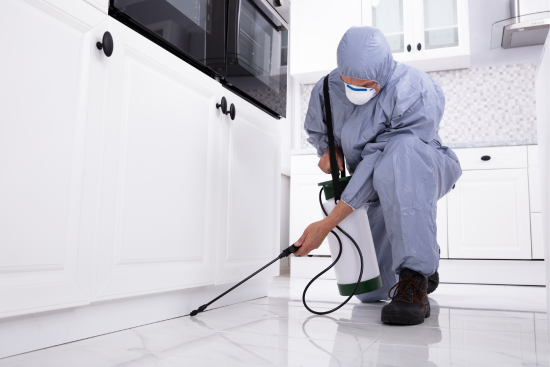
Pest control is a crucial aspect of maintaining a healthy and comfortable living environment. From common household pests to more resilient invaders, effective pest management practices are essential for safeguarding both property and health. This comprehensive guide explores various methods, preventive measures, and professional services available to combat pests effectively.
Understanding Pest Control
Pest control refers to the management and regulation of unwanted organisms that adversely affect human activities. These pests can range from insects like ants and cockroaches to rodents such as mice and rats, as well as larger animals like raccoons or birds. Effective pest control involves identifying the type of pest, understanding its behavior, and implementing strategies to mitigate or eliminate infestations.
Common Household Pests
- Insects: Ants, termites, cockroaches, bed bugs, mosquitoes, and fleas are among the most common insects that invade homes, seeking shelter, food, and water.
- Rodents: Mice and rats can cause significant damage by gnawing on structures, contaminating food, and spreading diseases through their droppings and urine.
- Wildlife: Larger pests like raccoons, squirrels, birds, and bats can enter homes through attics, chimneys, or open vents, posing health risks and causing structural damage.
Methods of Pest Control
Effective pest control strategies include:
- Preventive Measures: Seal cracks and crevices, repair screens, and maintain cleanliness to deny pests access to food, water, and shelter.
- Natural Remedies: Use non-toxic methods such as traps, baits, and botanical insecticides derived from plants to control pests while minimizing environmental impact.
- Chemical Treatments: Insecticides, rodenticides, and fumigants are applied by trained professionals to eradicate pests quickly and efficiently. These treatments require careful application to ensure safety for occupants and pets.
- Integrated Pest Management (IPM): IPM combines preventive measures, monitoring, and targeted treatments to minimize pesticide use while effectively managing pest populations.
- Professional Services: Pest control companies offer inspection, treatment, and ongoing monitoring services tailored to specific pest infestations, ensuring long-term prevention and peace of mind.
Health and Environmental Considerations
While pest control is essential for protecting property and health, it’s crucial to consider potential risks:
- Health Risks: Pests can transmit diseases, trigger allergies, and contaminate food and water sources, posing health risks to occupants.
- Environmental Impact: Chemical pesticides can affect non-target organisms, soil, water, and air quality if not used responsibly. Opt for eco-friendly pest control methods whenever possible.
Choosing a Pest Control Provider
When selecting a pest control provider, consider the following:
- Credentials: Ensure the company is licensed, insured, and employs certified technicians trained in safe pest management practices.
- Experience: Choose a provider with a proven track record of successfully resolving pest infestations in residential and commercial settings.
- Safety Measures: Inquire about the products and techniques used, and ensure they comply with safety regulations to protect occupants and the environment.
Conclusion
In conclusion, proactive pest control measures are essential for maintaining a safe, healthy, and pest-free home environment. By understanding the behaviors of common pests, implementing preventive measures, and seeking professional assistance when needed, homeowners can effectively manage pest infestations and enjoy peace of mind. Embrace the principles of integrated pest management and prioritize safety and sustainability in your pest control efforts.