
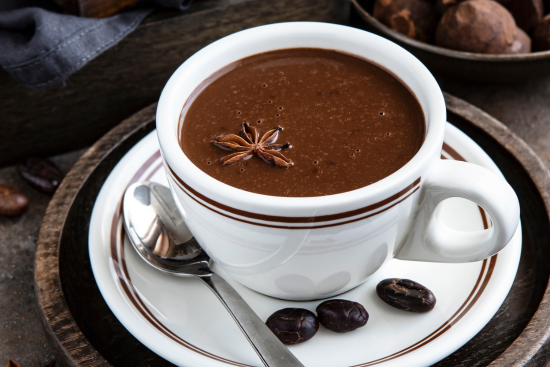
Hot cocoa, a beloved beverage cherished for its warmth and indulgent flavor, holds a special place in the hearts of many around the world. Whether enjoyed on a chilly winter evening, after a day of outdoor activities, or simply as a comforting treat, hot cocoa transcends mere drink status to become a ritual of comfort and relaxation. In this comprehensive article, we delve into the origins, cultural significance, health benefits, and modern variations of this timeless beverage, celebrating its rich history and enduring popularity.
Origins and History
The history of hot cocoa dates back centuries, originating from ancient Mesoamerican civilizations such as the Aztecs and Mayans. These early cultures revered cocoa beans not only for their culinary value but also for their medicinal properties. The beans were ground into a paste and mixed with water to create a bitter beverage enjoyed by royalty and warriors alike. It wasn’t until the 16th century when Spanish explorers introduced cocoa to Europe that it began to evolve into the sweetened, heated drink we recognize today.
Evolution of Hot Cocoa
Over time, hot cocoa spread across Europe, becoming a favored beverage among the aristocracy. The addition of sugar and spices transformed the bitter drink into a decadent treat enjoyed by all classes. By the 17th century, chocolate houses began to emerge in major European cities, offering patrons the opportunity to indulge in hot cocoa and socialize in luxurious surroundings. The Industrial Revolution further popularized hot cocoa as advancements in chocolate production made it more accessible to the general public.
Cultural Significance
Hot cocoa has woven itself into the fabric of various cultures, each adding its own unique twist to the beverage. In North America, hot cocoa is synonymous with cozy winters and holiday traditions, often topped with whipped cream or marshmallows for added decadence. In Europe, particularly in countries like Spain and Italy, variations like Spanish hot chocolate and Italian cioccolata calda highlight regional preferences and culinary expertise. In South America, hot cocoa is enjoyed with a touch of cinnamon or chili pepper, reflecting indigenous influences.
Health Benefits and Nutritional Value
Beyond its delightful taste, hot cocoa offers several health benefits when consumed in moderation. Cocoa is rich in antioxidants, particularly flavonoids, which may help reduce inflammation and improve heart health. It also contains minerals such as magnesium, iron, and zinc, essential for overall well-being. Choosing dark chocolate or cocoa with higher cocoa content provides more antioxidants and less sugar, making it a healthier option compared to sugary beverages.
Modern Variations and Innovations
In recent years, hot cocoa has experienced a renaissance with creative interpretations and flavor combinations. Gourmet hot cocoa bars offer a myriad of choices, from salted caramel and peppermint to exotic spices like cardamom and chili. Plant-based milk alternatives cater to dietary preferences, while specialty shops and cafes experiment with artisanal ingredients and techniques. Additionally, hot cocoa pods for single-serve machines provide convenience without sacrificing quality, ensuring that the tradition of enjoying hot cocoa remains accessible in the modern age.
Conclusion
Hot cocoa continues to captivate and comfort people of all ages, bridging cultures and generations with its timeless appeal. Whether sipped fireside during a winter storm or savored as a sweet indulgence after a long day, hot cocoa remains a cherished ritual that brings warmth to the soul. Its rich history, cultural significance, health benefits, and adaptability ensure that hot cocoa will continue to be a beloved beverage for years to come. So, the next time you prepare a steaming cup of hot cocoa, take a moment to appreciate its journey from ancient civilizations to modern cafes, and let its comforting embrace transport you to a world of warmth and relaxation.