
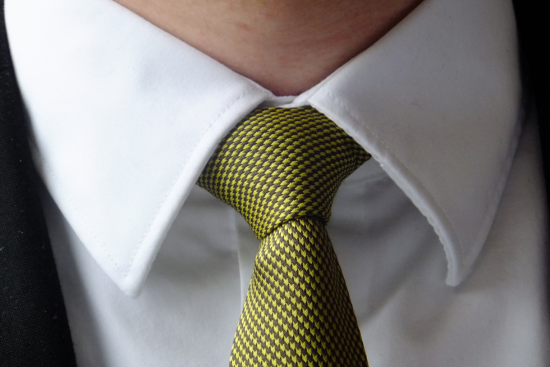
Ties are more than just a piece of cloth worn around the neck; they are symbols of style, professionalism, and personal expression. Whether you’re attending a formal event, going to the office, or adding a touch of elegance to a casual outfit, ties play a crucial role in completing your look. This comprehensive guide explores the history, various styles, and essential tips for wearing and caring for ties.
The History of Ties
Ties have a long and fascinating history that dates back centuries. The modern necktie has evolved through various forms and styles, each reflecting the fashion and culture of its time.
- Early Origins:
- The origins of ties can be traced back to ancient civilizations. In China, around 221 B.C., the first emperor, Qin Shi Huang, and his soldiers wore neck scarves as a symbol of their rank and allegiance. Similarly, Roman soldiers used cloth bands around their necks to protect against the elements.
- 17th Century Croatia:
- The modern necktie has its roots in 17th century Croatia. Croatian mercenaries serving in France during the Thirty Years’ War wore knotted neckerchiefs as part of their uniform. These neckerchiefs, known as “cravats,” caught the attention of the French, and the style quickly spread across Europe.
- 18th and 19th Centuries:
- Throughout the 18th and 19th centuries, the cravat evolved into various forms, including the stock and the ascot. Each style reflected the changing fashion trends and social norms of the time. By the late 19th century, the modern necktie began to take shape, characterized by its length and simplicity.
- 20th Century to Present:
- The 20th century saw the rise of the necktie as a staple of men’s fashion. Designers experimented with different materials, patterns, and widths, leading to a diverse range of styles. Today, ties are worn by both men and women in various settings, from business attire to casual outfits.
Styles of Ties
Ties come in a variety of styles, each suitable for different occasions and personal tastes. Here are some of the most popular styles:
- Standard Necktie:
- The standard necktie is the most common and versatile style. It comes in various widths, from skinny to wide, and can be worn for both formal and casual occasions. Standard neckties are available in an endless array of colors, patterns, and fabrics.
- Bow Tie:
- The bow tie is a classic and elegant choice, often associated with formal events like weddings and black-tie affairs. Bow ties come in pre-tied, clip-on, and self-tie variations. They can be made from silk, satin, cotton, and other materials.
- Cravat:
- The cravat is a more traditional style of tie, worn primarily for formal occasions. It is wider and shorter than a standard necktie and is often secured with a decorative pin. Cravats are typically made from silk and are associated with a sophisticated, old-world charm.
- Bolo Tie:
- The bolo tie, also known as a bola tie, is a Western-style necktie consisting of a cord or braided leather with decorative metal tips and a clasp. It is a distinctive accessory often worn with Western attire.
- Knit Tie:
- Knit ties are made from knitted fabrics such as wool, silk, or cotton. They have a textured appearance and are often square-ended. Knit ties are suitable for both casual and semi-formal settings, adding a touch of personality to an outfit.
- Skinny Tie:
- Skinny ties are narrower than standard neckties, typically measuring 2-3 inches in width. They gained popularity in the 1960s and have made a comeback in recent years. Skinny ties are ideal for modern, slim-fitting suits and contemporary styles.
Choosing the Right Tie
Selecting the perfect tie involves considering several factors, including the occasion, the outfit, and personal preferences. Here are some tips for choosing the right tie:
- Match the Occasion:
- For formal events, opt for classic styles like silk neckties or bow ties in solid colors or subtle patterns. For casual or semi-formal occasions, you can experiment with knit ties, skinny ties, or ties with bolder patterns.
- Coordinate with Your Outfit:
- The tie should complement your shirt and suit. For a cohesive look, choose a tie that contrasts with the shirt but harmonizes with the overall color scheme. For example, a navy tie pairs well with a light blue shirt and a gray suit.
- Consider the Material:
- Silk ties are luxurious and versatile, suitable for most occasions. Wool and knit ties add texture and are great for fall and winter. Cotton and linen ties are ideal for summer and casual settings.
- Pay Attention to Proportions:
- The width of the tie should be proportionate to the lapels of the suit jacket. A general rule is to match the width of the tie with the width of the jacket lapel. Skinny ties work well with slim-fitting suits, while wider ties suit classic, broader lapels.
- Choose the Right Length:
- The tie should reach the middle of your belt buckle when tied. This length ensures a polished and balanced appearance.
Tying and Wearing Ties
Knowing how to tie and wear ties correctly is essential for achieving a polished look. Here are some popular tie knots and tips for wearing ties:
- Four-in-Hand Knot:
- The four-in-hand knot is the most common and simplest knot. It’s slightly asymmetrical and works well with most neckties and collar styles. To tie a four-in-hand knot, cross the wide end over the narrow end, bring it under and up through the loop, then pull it down through the knot and adjust.
- Half-Windsor Knot:
- The half-Windsor knot is a medium-sized, symmetrical knot suitable for most occasions. It’s more substantial than the four-in-hand but easier to tie than the full Windsor. Cross the wide end over the narrow end, bring it up and through the loop, wrap it around, and pull it through the front knot.
- Full Windsor Knot:
- The full Windsor knot is a large, symmetrical knot that exudes confidence and formality. It’s perfect for wide-collared shirts and formal events. To tie a full Windsor, start with the wide end over the narrow end, bring it up through the loop, wrap it around the back, then through the front knot twice before pulling it down.
- Bow Tie:
- Tying a bow tie can be challenging, but practice makes perfect. Start with the bow tie draped around your neck, cross one end over the other, form a loop, and wrap the other end around the loop to create the bow shape. Adjust for symmetry.
- Knot Adjustment:
- After tying your tie, make sure the knot is centered and snug against your collar. The tie should lie flat and smooth without puckering.
Caring for Your Ties
Proper care and maintenance of ties ensure they stay in good condition and last longer. Here are some tips for caring for your ties:
- Untie Carefully:
- Avoid yanking or pulling on the tie when removing it. Carefully untie the knot to prevent stretching or damaging the fabric.
- Store Properly:
- Hang ties on a tie rack or roll them loosely and store them in a drawer. Avoid hanging ties on hooks, as this can cause creases.
- Clean Gently:
- Follow the care instructions on the tie label. For silk ties, spot clean with a damp cloth and mild detergent. Avoid machine washing or dry cleaning unless specified.
- Iron with Caution:
- If your tie becomes wrinkled, use a steam iron on a low setting or a garment steamer to gently remove wrinkles. Always place a cloth between the iron and the tie to protect the fabric.
- Rotate Your Ties:
- Regularly rotate your ties to prevent excessive wear and tear on any one piece. This also allows the fabric to rest and regain its shape.
Conclusion
In conclusion, ties are an essential accessory that adds elegance, style, and sophistication to any outfit. By understanding the history, styles, and proper techniques for choosing, wearing, and caring for ties, you can make a lasting impression and express your personal style. Whether you prefer the classic appeal of a silk necktie, the bold statement of a skinny tie, or the timeless charm of a bow tie, the right tie can elevate your look and enhance your confidence.