
In today’s financial landscape, credit cards play a pivotal role in how individuals manage their finances, make purchases, and build their credit history. Understanding the nuances of credit cards—from their benefits and risks to how to choose the right one for your needs—is essential for making informed financial decisions. This comprehensive guide delves deep into the realm of credit cards, providing you with everything you need to know to navigate this financial tool effectively.
What are Credit Cards?
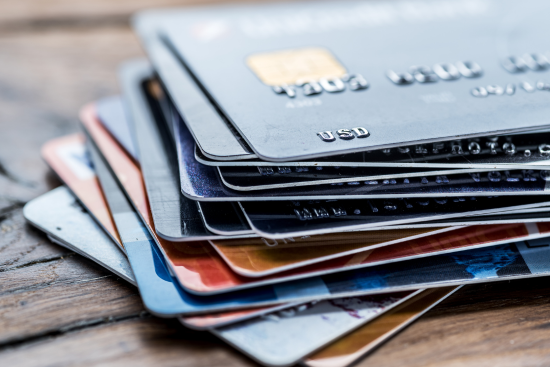
Credit cards are plastic cards issued by financial institutions that allow cardholders to borrow funds to pay for goods and services with the promise of repayment later. Unlike debit cards, which draw directly from a linked bank account, credit cards provide a line of credit that can be used up to a predetermined limit. This borrowing ability comes with the responsibility to repay the borrowed amount, usually with interest if not paid in full by the due date.
Types of Credit Cards
Credit cards come in various types, each tailored to different financial needs and lifestyles:
- Rewards Credit Cards: These cards offer rewards such as cashback, points, or travel miles for purchases made using the card. Rewards can be redeemed for merchandise, travel bookings, statement credits, or even gift cards.
- Travel Credit Cards: Designed for frequent travelers, these cards offer perks such as travel insurance, airport lounge access, and bonus points on travel-related purchases.
- Balance Transfer Credit Cards: These cards allow you to transfer balances from high-interest credit cards to a new card with a lower or zero percent introductory APR (Annual Percentage Rate) for a specified period. This can help consolidate debt and save on interest charges.
- Student Credit Cards: Geared towards college students and young adults, these cards often have lower credit limits and are designed to help build credit history responsibly.
- Secured Credit Cards: Ideal for individuals with limited or poor credit history, secured credit cards require a security deposit that serves as collateral. They help establish or rebuild credit when used responsibly.
Benefits of Using Credit Cards
Using credit cards responsibly offers several advantages:
- Convenience: Credit cards provide a convenient way to make purchases online and in-person without carrying large amounts of cash.
- Build Credit History: Responsible use of credit cards, such as making timely payments and maintaining a low credit utilization ratio, can help build a positive credit history. This, in turn, can impact your ability to secure loans, mortgages, or favorable interest rates in the future.
- Consumer Protections: Many credit cards offer built-in consumer protections such as purchase protection, extended warranties, and fraud liability protection, which can safeguard your purchases.
- Rewards and Perks: Rewards credit cards allow you to earn cashback, points, or travel rewards on your everyday purchases, providing tangible benefits for using the card.
Risks of Using Credit Cards
While credit cards offer numerous benefits, they also come with potential risks:
- High-Interest Rates: Carrying a balance on a credit card can lead to high-interest charges, especially if you only make minimum payments each month.
- Debt Accumulation: The ease of spending with credit cards can lead to overspending and accumulating debt beyond your means to repay.
- Credit Score Impact: Late payments or maxing out your credit limit can negatively impact your credit score, making it harder to qualify for future loans or credit at favorable rates.
- Fees and Penalties: Credit cards may come with annual fees, late payment fees, balance transfer fees, and cash advance fees, which can add to your overall cost of borrowing.
How to Choose the Right Credit Card
When selecting a credit card, consider the following factors to find one that aligns with your financial goals and spending habits:
- Interest Rates: Compare APRs, especially if you plan to carry a balance. Look for cards with low introductory rates or promotional periods.
- Rewards and Benefits: Choose rewards that align with your lifestyle, whether it’s cashback, travel rewards, or specific perks like airline miles or hotel discounts.
- Fees: Evaluate annual fees, late payment fees, and other charges to understand the cost of owning the card.
- Credit Limit: Consider the credit limit offered, which should match your spending needs without encouraging overspending.
- Credit History: If you have limited or poor credit, opt for cards designed for rebuilding credit, such as secured or student credit cards.
Managing Credit Cards Responsibly
To make the most of your credit cards while minimizing risks:
- Pay On Time: Make payments on or before the due date to avoid late fees and negative impacts on your credit score.
- Monitor Your Spending: Keep track of your purchases to stay within your budget and avoid accumulating debt.
- Pay in Full: Whenever possible, pay your statement balance in full each month to avoid interest charges.
- Review Statements: Regularly review your credit card statements for errors, unauthorized charges, or unusual activity.
- Utilize Rewards: Maximize rewards by using your card for everyday purchases and redeeming rewards regularly.
Conclusion
Credit cards can be powerful financial tools when used responsibly. By understanding the types of credit cards available, their benefits and risks, and how to choose and manage them effectively, you can leverage credit cards to build credit, earn rewards, and manage your finances with confidence. Remember, responsible credit card use starts with informed decision-making and disciplined financial habits.