
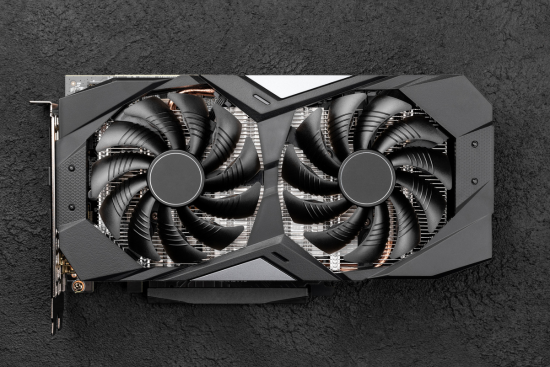
Graphic cards, also known as graphics processing units (GPUs), are integral components in modern computers and gaming systems, responsible for rendering images, videos, and animations with speed, precision, and visual fidelity. Whether enhancing gaming experiences, accelerating professional workflows, or supporting scientific research, graphic cards harness advanced technologies to deliver immersive graphics and computational performance. This extensive guide explores the fundamentals, types, technologies, applications, purchasing considerations, and future trends of graphic cards, illuminating their pivotal role in today’s digital landscape.
Understanding Graphic Cards
Graphic cards are specialized hardware components designed to process and render visual data efficiently. They offload graphical computations from the central processing unit (CPU), allowing for faster rendering of images, animations, and videos. By leveraging parallel processing capabilities and dedicated memory, graphic cards enhance graphical performance, support high-resolution displays, and enable complex simulations in various domains.
Types of Graphic Cards
- Consumer Graphics Cards: Consumer-grade graphic cards are optimized for gaming, multimedia, and everyday computing tasks. They prioritize graphical performance, visual quality, and compatibility with popular gaming titles and software applications.
- Professional Graphics Cards: Professional graphic cards, often referred to as workstation GPUs, are tailored for intensive workloads in industries such as computer-aided design (CAD), digital content creation (DCC), scientific research, and financial modeling. They emphasize precision, reliability, and certified driver support for specialized software applications.
- Integrated Graphics: Integrated graphics solutions are integrated into the computer’s motherboard or CPU, offering basic graphical capabilities for casual gaming, web browsing, and productivity tasks. They are cost-effective and suitable for compact, energy-efficient systems.
- External Graphics Cards (eGPUs): External graphic cards connect to laptops or desktops via Thunderbolt or USB interfaces, providing additional graphical horsepower for gaming, creative work, or VR applications. eGPUs offer flexibility and upgradability for users seeking enhanced graphical performance without replacing their existing system.
Technologies and Architectures
- GPU Architectures: Modern graphic cards are built on diverse architectures, such as NVIDIA’s Turing and Ampere architectures or AMD’s RDNA and RDNA 2 architectures. These architectures optimize GPU cores, memory bandwidth, and power efficiency to deliver superior performance and scalability.
- Ray Tracing and Real-Time Rendering: Ray tracing technologies simulate the behavior of light rays to render realistic lighting, reflections, and shadows in real-time. NVIDIA’s RTX series and AMD’s Radeon RX series incorporate hardware-accelerated ray tracing capabilities for immersive gaming and visual effects.
- Tensor Cores and AI Acceleration: Tensor cores, found in NVIDIA’s RTX GPUs, accelerate artificial intelligence (AI) workloads, including deep learning inference, neural network training, and AI-enhanced image processing. These cores enhance performance in AI-driven applications and scientific simulations.
- VR and Augmented Reality (AR): Graphic cards support VR and AR experiences by delivering high frame rates, low latency, and immersive visuals. They enable realistic simulations, interactive virtual environments, and immersive storytelling in entertainment, education, and training applications.
Applications of Graphic Cards
- Gaming: Graphic cards are fundamental to gaming experiences, delivering smooth frame rates, realistic visuals, and immersive environments in modern video games. They support high-resolution displays, VR headsets, and eSports competitions with fluid gameplay and responsive controls.
- Content Creation: Graphic cards accelerate rendering, video editing, 3D modeling, and animation tasks in creative software suites like Adobe Creative Cloud, Autodesk Maya, and Blender. They enable artists, designers, and filmmakers to produce high-quality visual content efficiently.
- Data Visualization: Graphic cards power data visualization applications, enabling researchers, analysts, and engineers to explore complex datasets, simulate scientific phenomena, and interpret visual insights. They support real-time analytics, simulations, and predictive modeling in fields such as healthcare, finance, and engineering.
- Machine Learning and AI: Graphic cards accelerate machine learning algorithms, neural network training, and AI inference tasks through parallel processing and tensor core acceleration. They facilitate advancements in natural language processing, computer vision, autonomous vehicles, and medical diagnostics.
- Cryptocurrency Mining: Graphic cards are utilized for cryptocurrency mining, leveraging their computational power to verify transactions and secure blockchain networks. Mining-specific GPUs optimize hash rates and energy efficiency for profitable mining operations.
Purchasing Considerations
- Performance: Consider the GPU’s performance metrics, including core clock speed, memory bandwidth, and CUDA cores (NVIDIA) or stream processors (AMD), to assess its capability for gaming, rendering, or computational tasks.
- Memory: Evaluate the GPU’s video memory (VRAM) capacity and memory interface width to support high-resolution textures, multi-monitor setups, and memory-intensive applications without performance bottlenecks.
- Connectivity: Check the GPU’s display outputs, such as HDMI, DisplayPort, and USB-C, to ensure compatibility with monitors, VR headsets, and external display configurations.
- Cooling and Power Requirements: Review the GPU’s thermal design power (TDP), cooling solutions (air or liquid), and power supply requirements to maintain stable performance and prevent overheating in your system.
- Software and Driver Support: Verify compatibility with operating systems (Windows, macOS, Linux) and software applications, ensuring access to optimized drivers, game optimizations, and feature updates from GPU manufacturers.
Future Trends in Graphic Cards
- Ray Tracing and AI Integration: Continued advancements in ray tracing technologies and AI-driven enhancements will elevate realism, immersion, and visual fidelity in gaming and professional applications.
- Performance Scaling: GPU manufacturers will focus on improving performance per watt and scalability across product tiers, catering to diverse consumer demands for gaming, content creation, and AI workloads.
- Cloud Gaming and Streaming: The rise of cloud gaming services and streaming platforms will drive demand for GPUs optimized for low-latency, high-definition video encoding, and remote gaming experiences.
- Edge Computing and IoT: Graphic cards will play a vital role in edge computing environments, supporting AI inference, real-time analytics, and immersive AR/VR applications at the network edge.
- Environmental Sustainability: GPU manufacturers will prioritize energy-efficient designs, sustainable materials, and recycling initiatives to reduce carbon footprints and promote eco-friendly practices in manufacturing and product lifecycle management.
Conclusion
In conclusion, graphic cards are indispensable components that empower users to experience cutting-edge graphics, accelerate computational tasks, and unlock creative possibilities in gaming, content creation, AI, and scientific research. By understanding the types, technologies, applications, and purchasing considerations associated with graphic cards, consumers and professionals can make informed decisions to enhance their digital experiences and productivity. As technology continues to evolve, graphic cards will evolve in tandem, driving innovation, performance improvements, and new opportunities across diverse industries and applications in the digital era.