
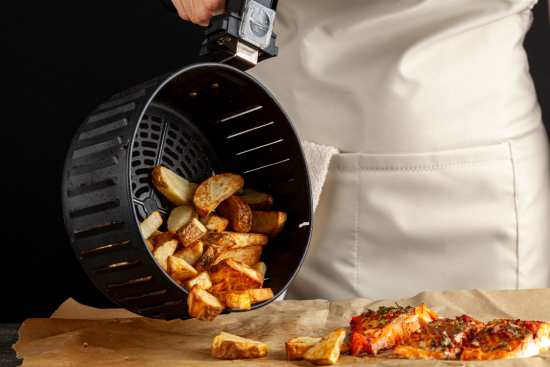
In recent years, air fryers have revolutionized home cooking by offering a healthier alternative to traditional frying methods. This comprehensive guide delves into the world of air fryers, exploring their benefits, features, usage tips, recipes, and considerations for anyone looking to enhance their culinary skills with this innovative kitchen appliance.
What is an Air Fryer?
An air fryer is a countertop kitchen appliance that cooks food by circulating hot air around it at high speed. This process creates a crispy outer layer similar to deep-frying but with significantly less oil, making it a popular choice for health-conscious individuals. Air fryers typically feature a basket or tray where food is placed in a single layer, allowing hot air to evenly cook and crisp the ingredients.
Benefits of Using an Air Fryer
- Healthier Cooking: Air fryers require little to no oil, reducing fat content and calorie intake compared to traditional frying methods. This makes them suitable for those looking to maintain a balanced diet without sacrificing flavor or texture.
- Versatility: Air fryers can cook a wide range of foods, including but not limited to, fries, chicken wings, vegetables, fish, and even desserts like doughnuts and cakes. They can also reheat leftovers and cook frozen foods quickly and evenly.
- Time Efficiency: Air fryers preheat rapidly and cook food faster than conventional ovens, reducing overall cooking time. This makes them ideal for busy individuals or families seeking quick and convenient meal preparation.
- Easy Cleanup: Many air fryer components are dishwasher safe, simplifying cleanup after cooking. The non-stick coating of air fryer baskets and trays further facilitates easy removal of food residues.
- Energy Efficiency: Compared to traditional ovens, air fryers consume less energy, making them a cost-effective option for cooking smaller portions or single servings.
How Does an Air Fryer Work?
Understanding how an air fryer works is key to maximizing its potential in the kitchen. Here’s a basic overview:
- Hot Air Circulation: Air fryers use a heating element and fan to circulate hot air around the food at high speed. This rapid circulation creates a crispy outer layer while cooking the inside evenly.
- Cooking Chamber: The food is placed in a basket or on a tray inside the air fryer. The basket allows hot air to circulate around the food, ensuring uniform cooking and crisping.
- Temperature Control: Most air fryers feature adjustable temperature settings, allowing precise control over cooking temperatures to achieve desired results for different types of food.
- Cooking Modes: Some air fryers offer preset cooking modes for specific foods, such as fries, chicken, fish, or desserts. These modes adjust cooking time and temperature automatically, simplifying the cooking process.
Tips for Using an Air Fryer
To make the most of your air fryer, consider these practical tips:
- Preheat the Air Fryer: Preheating ensures consistent cooking and crispiness. Follow manufacturer instructions for preheating times based on the type of food you’re cooking.
- Use Oil Sparingly: While air fryers require less oil than traditional frying methods, lightly coating food with oil or using oil spray can enhance crispiness and flavor.
- Avoid Overcrowding: Arrange food in a single layer inside the air fryer basket or tray to ensure even cooking. Overcrowding can hinder air circulation and result in unevenly cooked food.
- Shake or Flip Food: To promote even cooking and crispiness, shake the air fryer basket or flip food halfway through the cooking process. This allows all sides of the food to come into contact with hot air.
- Monitor Cooking Progress: Keep an eye on food as it cooks and adjust cooking time or temperature as needed. Use a meat thermometer to ensure meats reach a safe internal temperature.
- Experiment with Recipes: Explore a variety of air fryer recipes, from classic favorites to creative dishes. Experimenting with different ingredients and seasonings can help you discover new flavors and culinary techniques.
Popular Air Fryer Recipes
Try these delicious recipes to showcase the versatility of air fryers:
- Crispy Air Fryer French Fries: Cut potatoes into uniform strips, toss with oil, salt, and seasoning, then air fry until golden and crispy.
- Air Fryer Chicken Wings: Coat chicken wings with a marinade or dry rub, then air fry until crispy and cooked through. Toss with your favorite sauce before serving.
- Vegetable Spring Rolls: Fill spring roll wrappers with a mixture of vegetables and seasonings, then air fry until crispy and golden brown.
- Air Fryer Salmon: Season salmon fillets with herbs, lemon, and olive oil, then air fry until flaky and tender.
- Air Fryer Apple Chips: Slice apples thinly, toss with cinnamon and sugar, then air fry until crisp for a healthy snack.
Considerations When Buying an Air Fryer
Before purchasing an air fryer, consider the following factors:
- Capacity: Choose an air fryer size that suits your household’s needs. Smaller models are suitable for individuals or couples, while larger capacity models accommodate families or batch cooking.
- Features: Look for features such as adjustable temperature settings, preset cooking modes, digital controls, and dishwasher-safe components for ease of use and versatility.
- Brand and Reviews: Research reputable brands known for quality and reliability. Read customer reviews and ratings to gauge performance, durability, and overall satisfaction.
- Budget: Set a budget that aligns with your desired features and cooking preferences. Air fryers range in price based on size, brand, and additional functionalities.
- Warranty: Check the manufacturer’s warranty and customer support policies to ensure peace of mind regarding product quality and potential issues.
Maintenance and Care
To prolong the lifespan of your air fryer and maintain optimal performance, follow these maintenance tips:
- Regular Cleaning: Clean the air fryer basket, tray, and exterior surfaces after each use. Remove food residues and grease to prevent buildup and maintain hygiene.
- Deep Cleaning: Periodically deep clean removable parts, such as the basket and tray, using warm soapy water or in the dishwasher if dishwasher-safe.
- Avoid Abrasive Cleaners: Use non-abrasive cleaners and soft cloths to clean the air fryer’s exterior and control panel. Avoid harsh chemicals that may damage the appliance.
- Store Properly: Allow the air fryer to cool completely before storing it in a dry, well-ventilated area. Store removable parts separately to prevent odors and ensure cleanliness.
- Maintenance Checks: Periodically inspect the air fryer’s heating element, fan, and electrical components for signs of wear or malfunction. Follow manufacturer guidelines for maintenance and troubleshooting.
Conclusion
Air fryers have transformed the way we approach cooking by offering a healthier, more convenient alternative to traditional frying methods. Whether you’re craving crispy fries, juicy chicken, or flavorful vegetables, an air fryer can deliver delicious results with minimal oil and maximum flavor. By understanding the benefits, features, recipes, and considerations associated with air fryers, you can harness the full potential of this versatile kitchen appliance. Whether you’re a novice cook or a seasoned chef, exploring the world of air fryers opens up endless possibilities for creating wholesome, flavorful meals that satisfy your cravings and support a balanced lifestyle. Enjoy exploring new recipes, experimenting with flavors, and discovering the joy of cooking with an air fryer in your kitchen.