
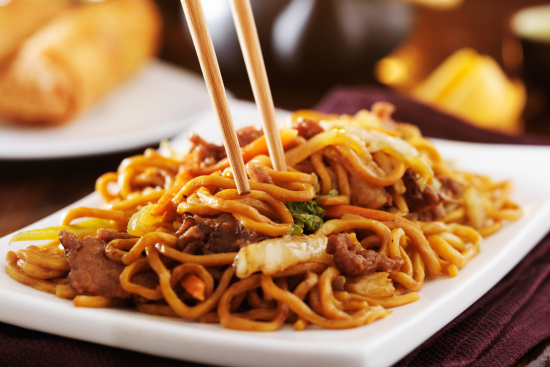
Chinese cuisine is celebrated worldwide for its diversity, flavors, and rich culinary heritage. This comprehensive guide delves into the world of Chinese food, exploring its regional variations, ingredients, cooking techniques, popular dishes, and cultural significance.
Regional Variations of Chinese Cuisine
Chinese cuisine is incredibly diverse, with distinct regional variations influenced by geography, climate, culture, and historical traditions. Some prominent regional cuisines include:
- Cantonese Cuisine: Hailing from the Guangdong province, Cantonese cuisine emphasizes freshness and subtle flavors. Steaming, stir-frying, and braising are common cooking techniques.
- Sichuan Cuisine: Known for its bold and spicy flavors, Sichuan cuisine features dishes seasoned with Sichuan peppercorns, chili peppers, and garlic. Stir-frying, steaming, and braising are prevalent cooking methods.
- Shanghainese Cuisine: From the bustling city of Shanghai, this cuisine focuses on preserving original flavors and using quality ingredients. Braising, stewing, and pickling are typical cooking techniques.
- Hunan Cuisine: Characterized by robust flavors and the use of fresh ingredients, Hunan cuisine incorporates spicy and sour flavors. Stir-frying, smoking, and steaming are common cooking methods.
- Beijing Cuisine: Reflecting imperial traditions, Beijing cuisine features dishes such as Peking duck and Mongolian hot pot. Roasting, braising, and deep-frying are prevalent cooking techniques.
Key Ingredients in Chinese Cooking
Chinese cuisine relies on a diverse array of ingredients that contribute to its distinctive flavors and textures:
- Soy Sauce: A staple condiment made from fermented soybeans, wheat, salt, and water. It adds savory umami flavor to dishes.
- Ginger and Garlic: Essential aromatics used in stir-fries, marinades, and sauces to enhance flavors.
- Rice and Noodles: Staple carbohydrates served as a base for many dishes, including fried rice, lo mein, and noodle soups.
- Five-Spice Powder: A blend of star anise, cloves, Chinese cinnamon, Sichuan peppercorns, and fennel seeds used to season meats and stews.
- Chili Peppers and Sichuan Peppercorns: Add heat and numbing sensation to dishes in Sichuan and other spicy cuisines.
Cooking Techniques in Chinese Cuisine
Chinese cooking techniques are diverse and emphasize preserving flavors, textures, and nutrients:
- Stir-Frying: Quick cooking over high heat in a wok, preserving the crispness of vegetables and the tenderness of meats.
- Steaming: Cooking food over boiling water, retaining moisture and nutrients while imparting delicate flavors.
- Braising: Slow-cooking ingredients in a flavorful liquid, resulting in tender meats and rich sauces.
- Deep-Frying: Immersing food in hot oil to achieve crispiness while sealing in moisture and flavors.
- Red Cooking: Simmering ingredients in a soy sauce-based broth with spices and sugar, creating savory and aromatic dishes.
Popular Chinese Dishes
Chinese cuisine boasts a wide array of popular dishes enjoyed both domestically and internationally:
- Mapo Tofu: A spicy Sichuan dish featuring silken tofu in a savory chili bean paste sauce with minced pork.
- Kung Pao Chicken: Stir-fried chicken with peanuts, chili peppers, and vegetables in a tangy and spicy sauce.
- Sweet and Sour Pork: Crispy pork pieces coated in a tangy sweet and sour sauce with bell peppers and pineapple.
- Dim Sum: Bite-sized portions of dumplings, buns, and small dishes served with tea, popular in Cantonese cuisine.
- Hot Pot: A communal dining experience where diners cook thinly sliced meats, vegetables, and noodles in a simmering broth at the table.
Cultural Significance and Dining Etiquette
Chinese food holds significant cultural importance, symbolizing prosperity, hospitality, and family unity. Dining etiquette includes:
- Sharing: Chinese meals are typically served family-style, with dishes placed in the center for communal sharing.
- Chopsticks: Use chopsticks for picking up food, avoiding pointing them directly at others or leaving them stuck upright in food.
- Respect for Elders: Offer food to elders first as a sign of respect, and allow them to start eating before others.
- Toasting: Toasting with tea or alcoholic beverages during meals signifies goodwill and camaraderie.
- Finishing Dishes: It’s polite to finish dishes to the last bite, showing appreciation for the meal and the efforts of the host.
Health Benefits of Chinese Cuisine
Chinese cuisine often emphasizes fresh ingredients, balanced flavors, and cooking techniques that retain nutrients, contributing to its health benefits:
- Nutrient-Dense Ingredients: Vegetables, lean proteins, and whole grains provide essential vitamins, minerals, and fiber.
- Moderate Portion Sizes: Many Chinese dishes incorporate small portions of meat or seafood alongside larger servings of vegetables and grains.
- Low in Added Fats: Stir-frying and steaming techniques use minimal oil compared to deep-frying, reducing saturated fat intake.
- Herbal Remedies: Chinese cuisine often incorporates herbs and spices known for their medicinal properties, promoting overall well-being.
- Cultural Practices: Dining practices such as communal sharing and slower eating pace encourage mindful eating and satisfaction.
Conclusion
Chinese food is a culinary treasure that offers a diverse range of flavors, textures, and cultural significance. From the fiery spices of Sichuan cuisine to the delicate flavors of Cantonese dim sum, exploring Chinese cuisine invites a journey of discovery and appreciation for its rich culinary heritage. Whether enjoying familiar favorites or exploring new dishes, Chinese food delights the senses and brings people together through shared meals and cultural traditions. Embrace the diversity, savor the flavors, and celebrate the artistry of Chinese cuisine in kitchens and dining tables around the world.