
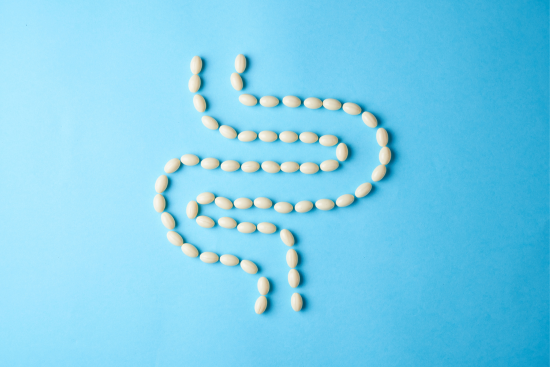
Probiotics, often referred to as “friendly” or “good” bacteria, have gained significant attention in recent years for their potential health benefits. These live microorganisms, when consumed in adequate amounts, provide a range of benefits to the host, particularly in maintaining a healthy gut flora. In this comprehensive article, we will delve into the world of probiotics, exploring their history, mechanisms of action, benefits, sources, and the latest research surrounding these fascinating microorganisms.
The History of Probiotics
The concept of probiotics dates back to the early 20th century when Russian scientist Elie Metchnikoff, a Nobel laureate, proposed that consuming beneficial bacteria could improve health and longevity. He observed that Bulgarian peasants, who regularly consumed fermented dairy products rich in probiotics, lived longer and healthier lives. This observation led to the development of the modern understanding of probiotics and their potential health benefits.
How Probiotics Work
Probiotics exert their effects primarily by maintaining and restoring the natural balance of gut microbiota. The human gut is home to trillions of bacteria, both beneficial and harmful. Probiotics help by colonizing the gut and competing with pathogenic bacteria for resources, thus inhibiting their growth. Additionally, probiotics produce substances like lactic acid and bacteriocins, which further suppress harmful bacteria.
Probiotics also enhance the gut barrier function by promoting the production of mucins and tight junction proteins, which prevent the translocation of pathogens and toxins from the gut into the bloodstream. Moreover, probiotics modulate the immune system by interacting with gut-associated lymphoid tissue (GALT), leading to the production of anti-inflammatory cytokines and antibodies.
Health Benefits of Probiotics
The benefits of probiotics extend beyond gut health. Here are some key areas where probiotics have shown promise:
- Digestive Health: Probiotics are well-known for their role in alleviating digestive disorders such as irritable bowel syndrome (IBS), inflammatory bowel disease (IBD), and diarrhea, including antibiotic-associated and traveler’s diarrhea. They help restore the balance of gut microbiota, reduce inflammation, and improve bowel movements.
- Immune System Support: Probiotics enhance the body’s immune response by stimulating the production of immune cells and antibodies. They also help in the maturation of immune cells, making the body more efficient at fighting infections.
- Mental Health: Emerging research suggests a strong connection between gut health and mental health, often referred to as the gut-brain axis. Probiotics have been shown to reduce symptoms of anxiety, depression, and stress by influencing the production of neurotransmitters like serotonin and gamma-aminobutyric acid (GABA).
- Skin Health: Probiotics can improve skin conditions such as acne, eczema, and rosacea. They do this by modulating the immune response and reducing inflammation, both internally and externally.
- Metabolic Health: Probiotics can aid in weight management and metabolic health by influencing the gut microbiota composition. They have been found to reduce body weight, body mass index (BMI), and fat mass in some studies.
- Allergy Relief: Probiotics may help reduce the severity of allergic reactions, including food allergies, asthma, and eczema, by modulating the immune system and improving gut barrier function.
Sources of Probiotics
Probiotics are naturally present in various fermented foods and can also be taken as dietary supplements. Some common sources of probiotics include:
- Yogurt: Made from milk fermented by probiotic bacteria, yogurt is one of the most widely consumed probiotic foods.
- Kefir: A fermented milk drink that contains a diverse range of probiotic bacteria and yeasts.
- Sauerkraut: Fermented cabbage that is rich in probiotics and fiber.
- Kimchi: A traditional Korean dish made from fermented vegetables, primarily cabbage and radishes, which is rich in probiotics.
- Miso: A Japanese seasoning made from fermented soybeans, barley, or rice, containing a variety of probiotics.
- Tempeh: A fermented soybean product that serves as a probiotic-rich meat substitute.
- Probiotic Supplements: Available in various forms, including capsules, tablets, and powders, these supplements provide a concentrated dose of probiotics and can be tailored to specific health needs.
The Science Behind Probiotics
Scientific research on probiotics is extensive and ongoing, with new findings regularly emerging. Studies have shown that specific strains of probiotics, such as Lactobacillus and Bifidobacterium, have distinct health benefits. For instance, Lactobacillus rhamnosus GG is well-documented for its effectiveness in treating diarrhea, while Bifidobacterium lactis is known for its immune-boosting properties.
Recent advancements in microbiome research have also highlighted the importance of personalized probiotics. The composition of an individual’s gut microbiota is unique, and personalized probiotic treatments tailored to an individual’s specific needs may offer enhanced benefits.
Choosing the Right Probiotic
When selecting a probiotic, it is essential to consider factors such as strain specificity, dosage, and the intended health benefit. Not all probiotics are created equal, and different strains have different effects. Consulting with a healthcare professional can help determine the most suitable probiotic for individual health needs.
Conclusion
Probiotics are a remarkable testament to the intricate relationship between the human body and microorganisms. These beneficial bacteria offer a wide array of health benefits, from supporting digestive health to enhancing the immune system and even improving mental health. As research continues to uncover the vast potential of probiotics, it is clear that these friendly bacteria play a crucial role in maintaining overall health and well-being.
Incorporating probiotics into the diet through fermented foods or supplements can be a simple yet effective way to harness their benefits. Whether you are looking to improve gut health, boost immunity, or support mental wellness, probiotics offer a natural and promising solution. As our understanding of probiotics deepens, we can look forward to more innovative applications and personalized approaches to health and wellness, driven by these powerful microorganisms.